


Ex UN-climate chief speaks out on Arctic drilling
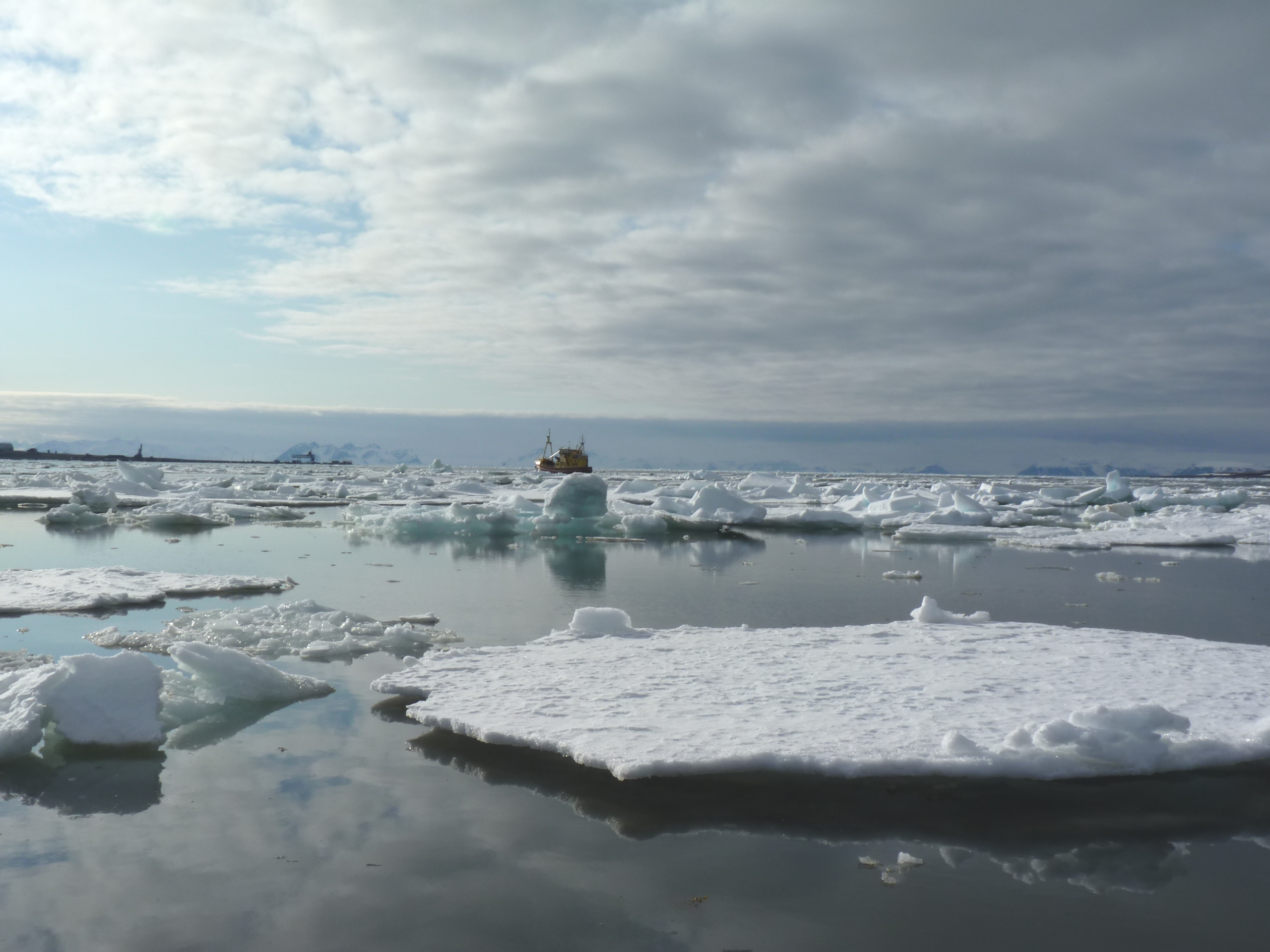
The Arctic:Physically more accessible – ethically a no-drilling zone (Photo: I Quaile)
One good thing about people no longer being in office is they are freer to come out with their own opinions. Former Executive Secretary of the UN climate secretariat UNFCCC Christina Figueres told Alister Doyle from Reuters this week that drilling in the Arctic was not economical and that warming was a threat to the environmentally fragile region. (Many thanks to the Arctic Institute for flagging that as top story in The Arctic This Week)
Passion versus diplomacy
I interviewed Ms Figueres several times when she was head of the UN climate secretariat here in Bonn. I always had the feeling she was passionate about climate protection and often wondered, as I did with her predecessor Yvo de Boer, whether they did not feel frustrated at the slow pace of climate action and the need to respond diplomatically and tread carefully on the minefield that is global geopolitics. With Yvo de Boer, that was certainly the case.
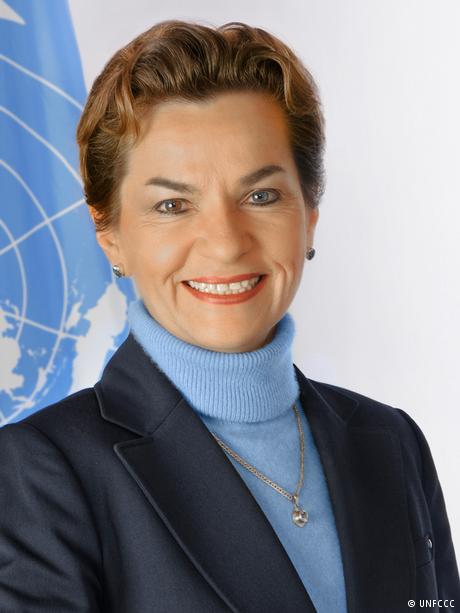
Christiana Figueres while still UN climate chief in Bonn
Back in 2014, ahead of the UN summit on climate organized by Ban-Ki-Moon, Christina Figueres told me in an interview that that mega-meeting was “an opportunity to show, to shine, and to start a race to the top, for everyone to realize that climate is not a one-sector or one company or one country issue, but an every man, every sector, every country issue. That is why it is such a broad invitation to all sectors, all countries, to come forward.”
Competition to halt climate change?
Wouldn’t it be fantastic to see countries racing to be the real climate champions? I would love to be able to say that has actually happened, but based on our global emissions to date and the failure of the latest working meeting in Bonn to make real progress in preparing this year’s climate conference in Poland at the end of this year, I do not have the feeling that there is a “race to the top” in cutting emissions and halting global warming.
The Trump factor
Clearly, one major factor in all this is the election of Donald Trump as US President. At that time, the UN climate chief told me “the second term of President Obama has seen an accelerated and upscaled engagement on climate change in particular. With the latest move of the Obama administration to ask EPA to come forward with regulations on power plants. That is probably the most ambitious action the US government has taken on climate change”.
What a disappointment to see the climate-sceptical US administration backpedaling on all of that and opting out of the Paris Agreement.
No action without catastrophe?
Figueres comes from Costa Rica, a country that she says is a model when it comes to climate action:
“Costa Rica has had a carbon tax for over 20 years, it has internalized the cost of this, and so is one of the countries to which many countries are looking a) for the carbon pricing model we have, also for the system we have of environmental payment for services, which we pioneered in Costa Rica and which is being used in other countries. It’s a country that doesn’t mind experimenting, is very risk-friendly and has actually benefitted from a these forward-leaning policies particularly with respect to the environment and holds a high repute amongst other countries.”
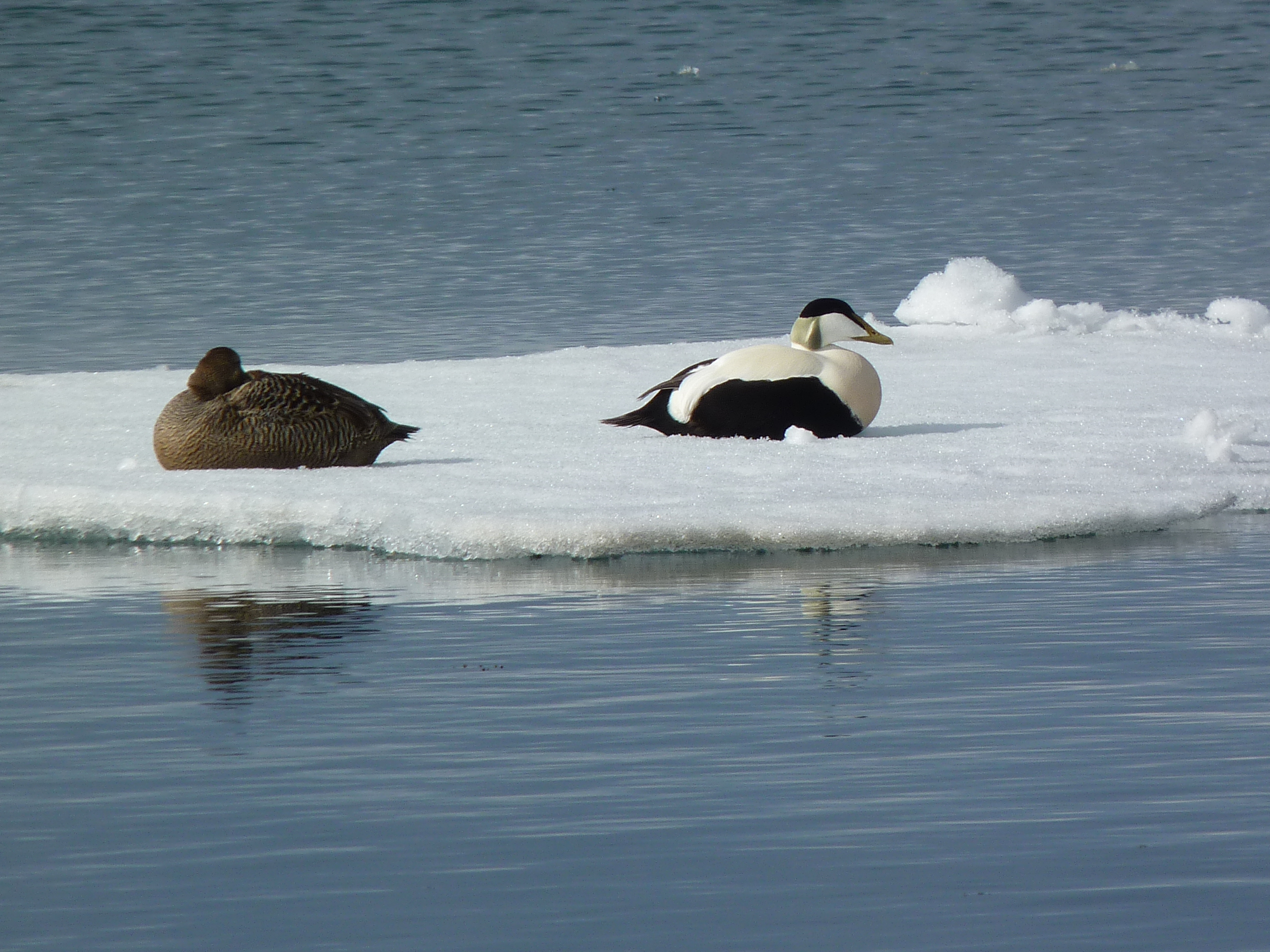
Global climate policy – all afloat? (I.Quaile)
Alas, there have not been many others following the Costa Rican path.
“They have a front-row seat to the havoc climate change is already causing. No wonder they’re moved to action” Katie Quirk wrote in an article for Slate last year. If it is catastrophic impacts that fuel climate action, we may not have all that long to wait.
Now we have had several years of record global temperatures and Figueres says the heat is threatening “everything from Australia’s Great Barrier Reef to ice in Antarctica”.
And “the Arctic has been rendered undrillable,”she told Reuters.
Paradoxically, the easier access to our icy north becomes, the more difficult it becomes to justify commercial activities up there from the point of view of stabilizing the world’s climate.
Yet there are still governments and companies who think it worth drilling in the Arctic. President Trump’s administration is even considering drilling in part of the Arctic National Wildlife Refuge.
Figueres says global emissions should peak by 2020 – a target now highly unlikely to be reached in that short a time.
At the same time, searching for oil and gas in the Arctic would “take years to develop any finds”, she says, suggesting the money would be put to a better use developing renewable energy.
“The stakes are visibly higher than they were just a few years ago,” she said in the recent Reuters interview. Indeed, and they are rising all the time.


Arctic sea ice low as UN delegates talk climate in a sweltering Bonn.
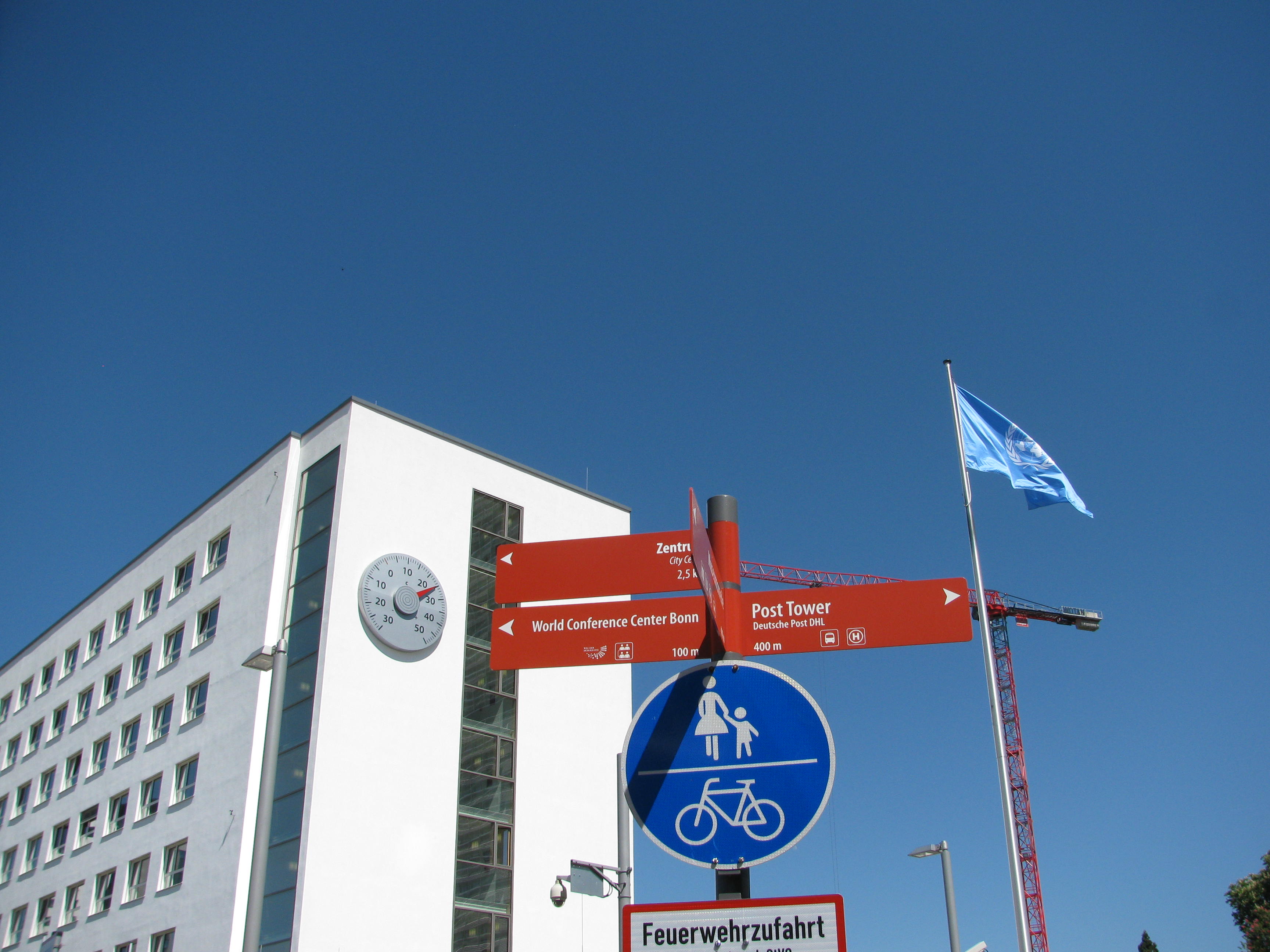
Blue skies, temperature rising at UN climate headquarters in Bonn
It’s been a scorcher of a week here in Bonn. Delegates to the UNFCCC climate talks (one of the interim meetings to prepare the big COP24 which will take place in Katowice, Poland, in December) have been experiencing non-stop sunshine and temperatures up to 30 degrees Celsius. It feels like the height of summer here, although we are only at the beginning of May.
How appropriate as a backdrop to a meeting that is trying to work out the nitty gritty of actually fulfilling the Paris Agreement commitment to limiting global warming to 2 or preferably 1.5 degrees C warming.
“Currently we’re heading for 3 degrees C of warming rather than the 1.5 degrees C agreed in Paris, and the window of opportunity to reverse this is swiftly closing,” was the comment from Jens Mattias Clausen from Greenpeace Nordic.
Sea ice on the wane (again)
Coming back to work after a long break, a catch-up look at twitter, #Arctic drew my attention first to a tweet from @ArthurWyns telling me “next week it will be 20°C warmer than usual on the #Arctic!!!”
Then came one from @ketil_Isaksen, about one of my own favourite Arctic places:
“Unusually early, extensive and rapid snow melt on #Svalbard releasing extreme melt water discharges in the valleys. +6°C and strong breeze today in #Longyearbyen (78°N)”
In Arctic Today, Yereth Rosen has an article telling us this year’s Arctic sea ice melt season is “off to an unusually fast start”, and provides some worrying data from the NSIDC.

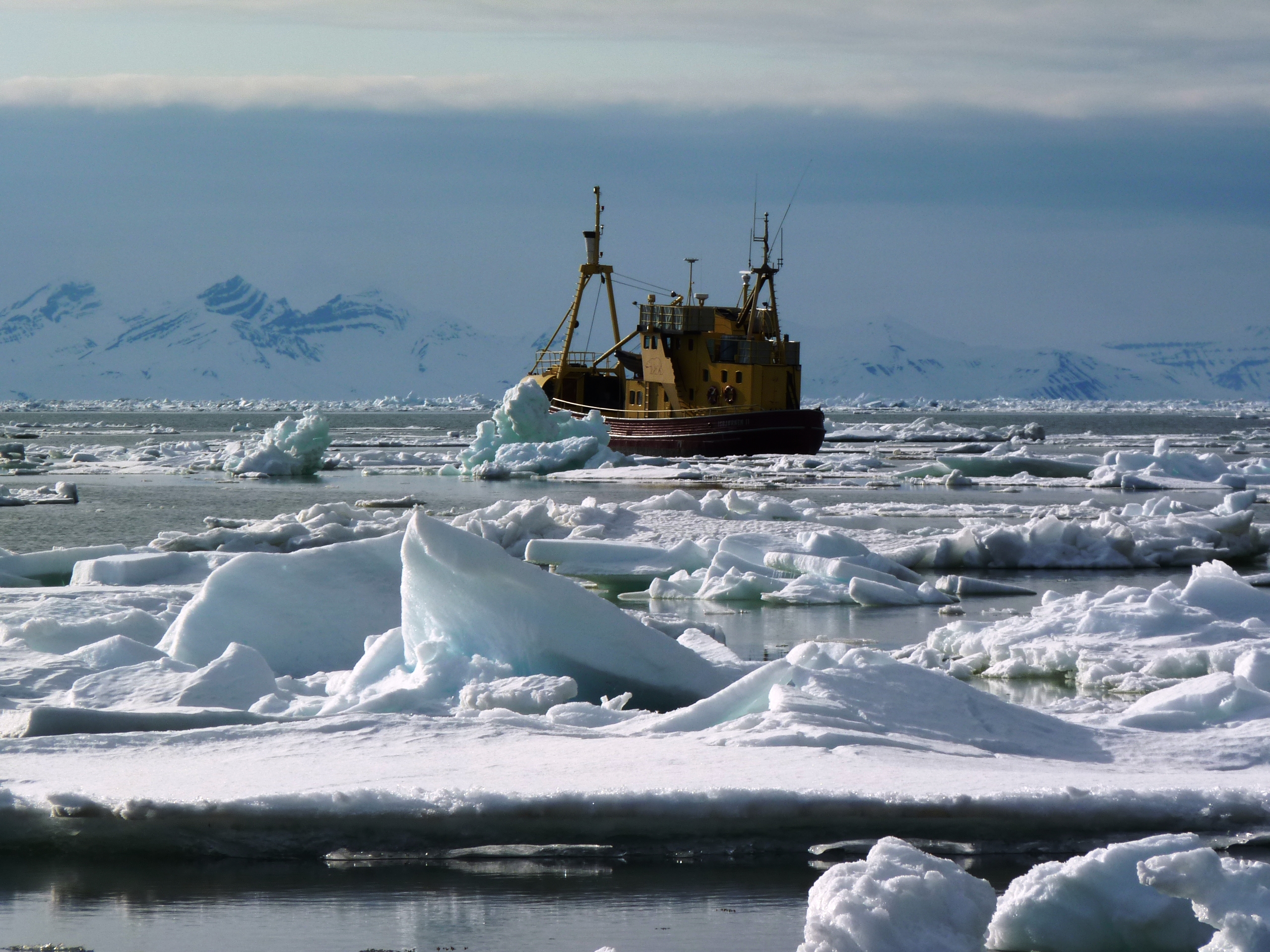
Melting ice off Svalbard (Pic I.Quaile)
Still working out the rules
Given all this, I can well understand why a lot of people involved in the talks in Bonn are feeling frustrated at the slow progress being made.
The delegates are charged with finalizing the rules for the actual implementation of the Paris Agreement. You can be forgiven if you thought things had already moved beyond that stage.
Yes, the wheels of international climate diplomacy move very slowly.
At a press briefing organized by the Climate Action Network (CAN), Li Shuo, a Senior Climate & Energy Policy Officer with Greenpeace stressed: “This is a mini Paris here. We really are trying to finalize all the detailed rules for the Paris Agreement. That’s a daunting task.”
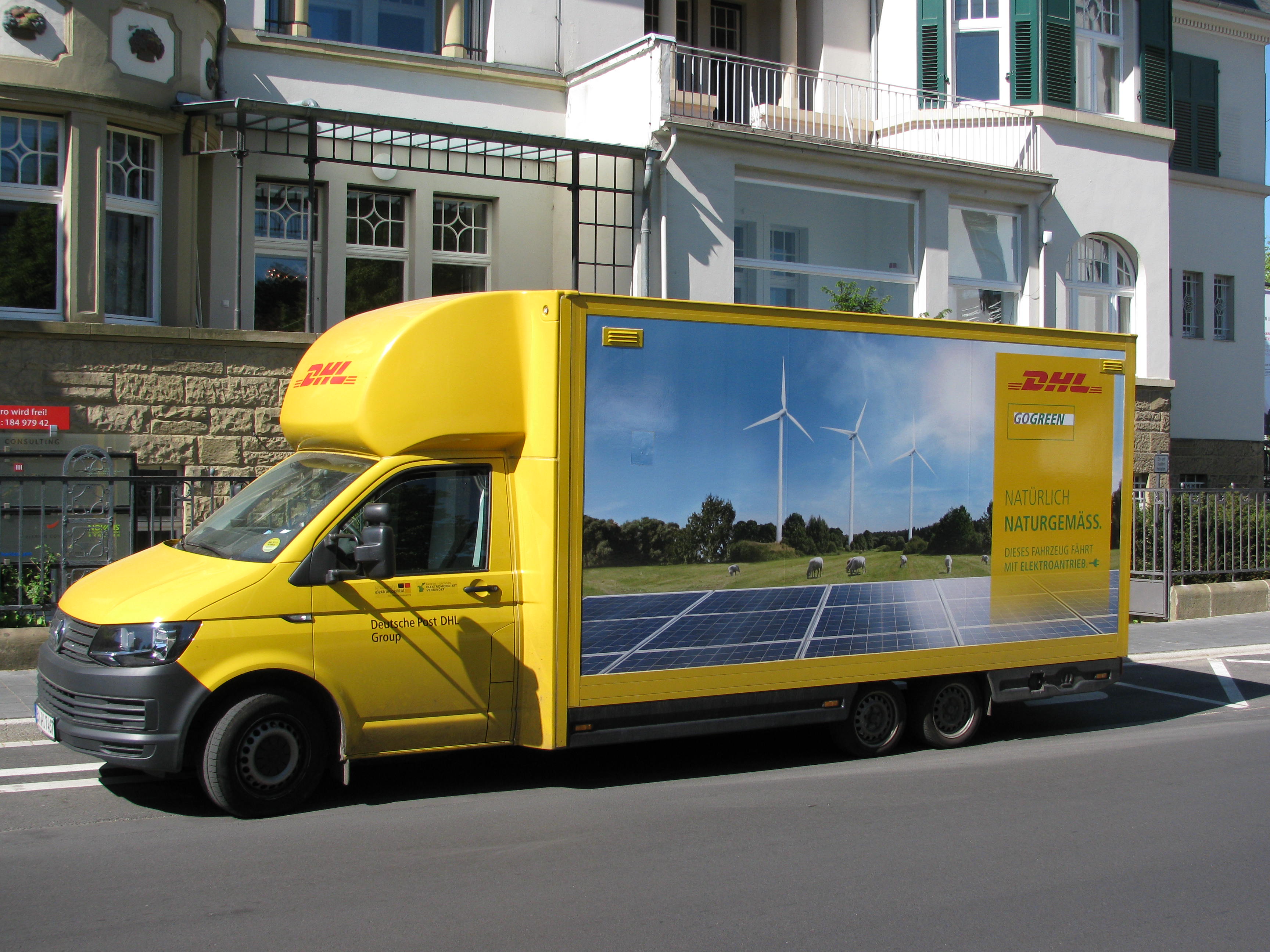
Climate-friendly electric lorry in Bonn (assuming it’s not running on coal-powered electricity?) (I.Quaile)
The Polish dilemma
The next COP at the end of this year will be held in Katowice, the heartland of Poland’s coal industry. Wouldn’t it be fantastic if that turned out to be a turning point in the transition away from fossil fuels to renewable, climate-friendly forms of energy? The city itself says it wants to go green, as one of our correspondents reported in the latest edition of my radio show Living Planet. But, alas. There are absolutely no signs that the Polish government is planning to change its policy any time soon.
“We have seen worrying signs that the Polish presidency thinks that it will sufficient just to get some kind of rulebook,” said Alden Meyer, Director of strategy and policy for the Union of Concerned Scientists, also at the event organized by CAN.
He went on: “We don’t have to wait for the IPCC special report in October to know that what’s on the table and being implemented falls far short of what’s needed to reach the temperature goals countries agreed to in Paris.”
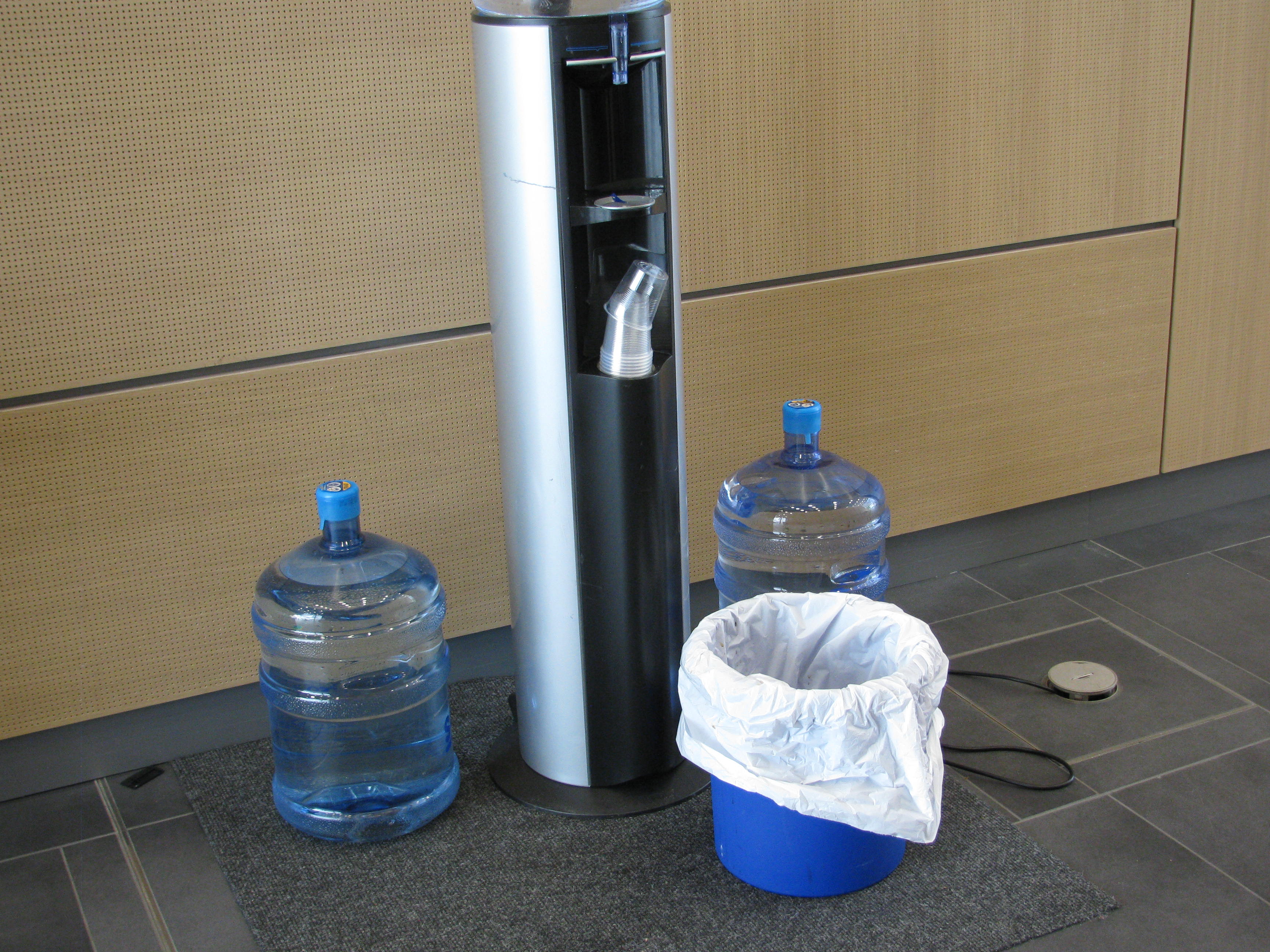
PLASTIC bottles, plastic cups for water? Yes, at the UN climate conference. (I.Quaile)
Coal and climate
I asked him how he saw Poland’s stance on all this at the moment. In spite of the government’s support for coal and reluctance to see to see the EU step up its goals, he stressed that “the role of the presidency is to put their domestic considerations aside and operate on behalf of the entire world community”.
Well, we can try to be optimistic.
“We retain some hope that Poland in its role as the presidency will be different from Poland in its role within the European Union and in its domestic energy policies”, said Meyer, they have to ensure that “the first review of the Paris Agreement, actually triggers much stronger climate commitments”.
Li Shuo noted that Poland was rather late in “shaping up their team” for the climate conference.
“There’s really no clarity from the incoming Polish presidency on how they plan to deal with the political process at Katowice. So we need to hear more from Poland”, he told me at our meeting.
The state of play
When I hear after a week and a half of a two-week working meeting that some progress has been made on technical issues of implementing the rules of the climate agreement, it does not make me feel confident that the international community is going to meet the emissions targets on time. “Other discussions are really stuck because of political differences”, said Li Shuo – mostly relating to the INDCs, or “nationally determined contributions”.
Concerned scientists’ representative Meyer reiterated the urgent need for progress on adaptation, with a lot of climate impacts already being felt: “No matter how successful we are on meeting the Paris temperature limitation goals, those impacts are going to continue to mount over the next several decades because of inertia and momentum in the climate system”.
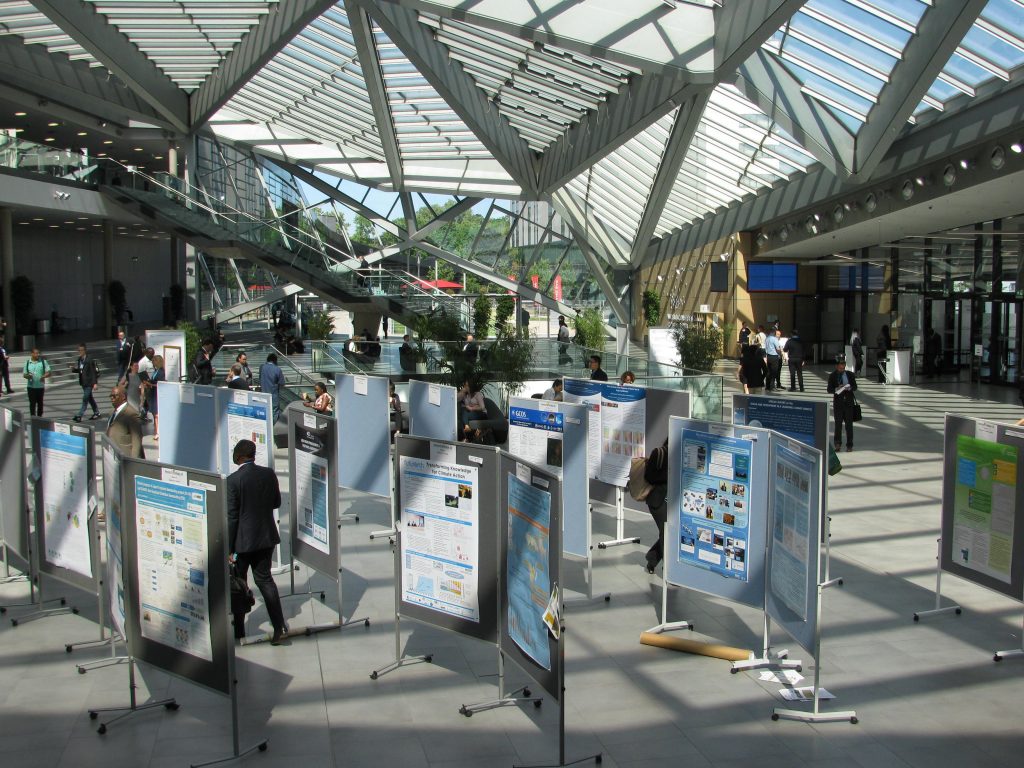
A maze of science! Good to see it at the Bonn gathering. (i.Quaile)
What happens in the Arctic…
That would also apply to the Arctic region, where temperature rise is not only completely altering things for people and nature up there – it is also changing weather patterns and ocean circulation, with severe implications for the whole planet.
“What is missing is leadership and guidance, especially coming from the presidency”, said Li Shuo. And the spectre of another President is also hovering over the Bonn talks.
However, the Polish government has been preparing for the end-of-year climate extravaganza in other ways. It has passed a bill specifically for the UN summit which bans all “spontaneous gatherings” in the southern coal-mining city of Katowice between November 26 and December 16, which covers the entire period of the conference. It also submits registered participants to government surveillance and allows authorities and police to obtain, collect and use personal data of attendees without their consent or judicial oversight.
We’re still trying to get an official UNFCCC statement on that one. Good ground for getting the whole world on board to halt climate change?
 Comments deactivated
 Greenland on the horizon
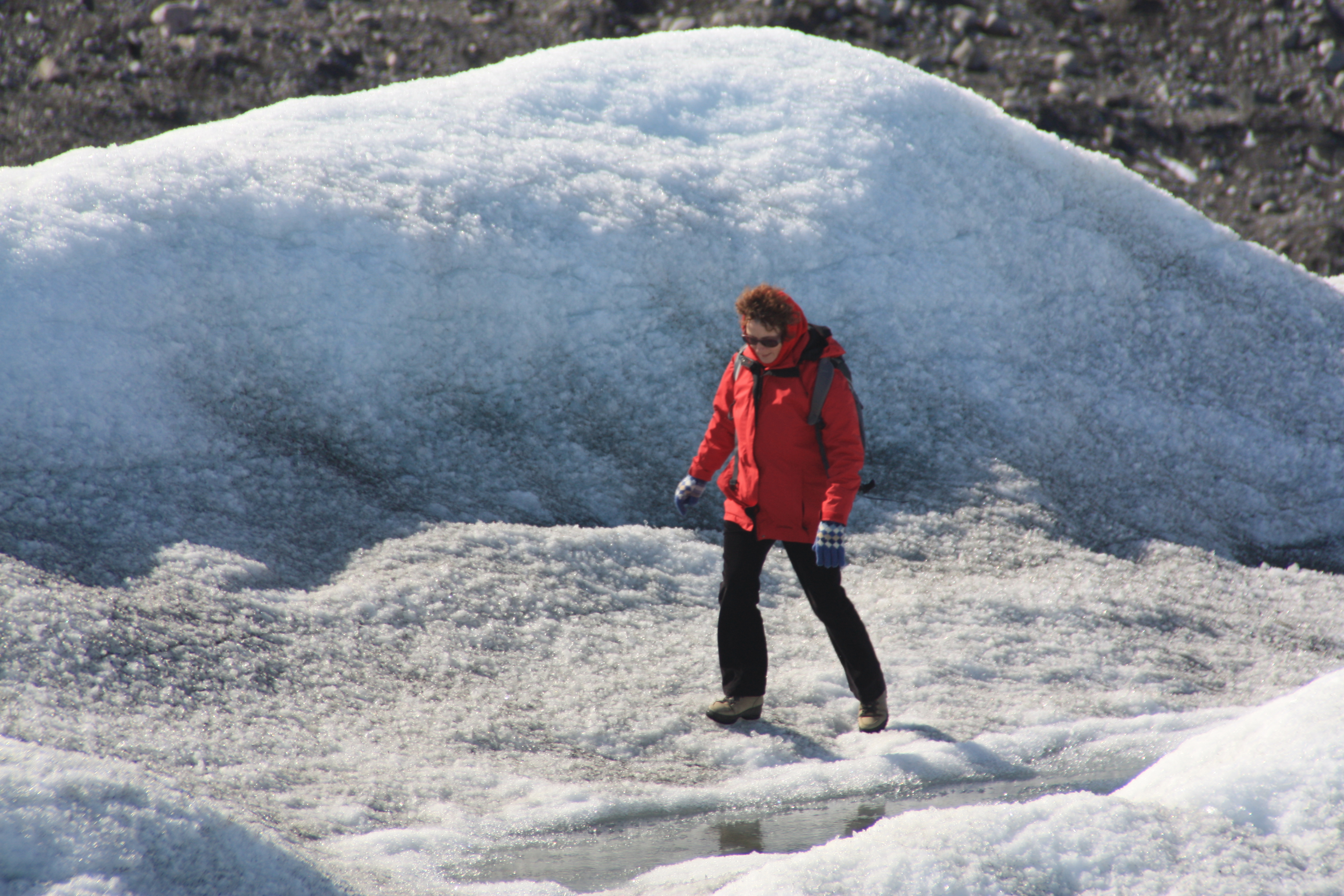
Your iceblogger on the Greenland ice sheet. Time for another visit. (Pic: I.Quaile)
When I first visited Greenland back in 2009, it was not a place that made the news very often. This summer, as I prepare for another visit, I have been reading, hearing and viewing quite a bit about Greenland recently – and most of it was alarming.
Dark news from the white island
“Sea level fears as Greenland darkens” was the headline of a piece by David Shukman for the BBC. It reports on the findings of the “Black and Bloom” research project, looking at how increasing algae blooms through climate warming are darkening the ice sheet, meaning it absorbs more heat from the sun instead of reflecting it back into space.
Scientists are keenly observing the cracking of Greenland’s Petermann glacier. It has not made headlines on the same scale as the giant Larsen C iceberg in the Antarctic, but scientists tell us it is highly significant in terms of impacts clearly attributable to climate change. On Twitter, @Petermann_Ice provides regular updates. NSIDC provides daily information on the Greenland ice sheet in general.
Earlier this summer, a tsunami played havoc and caused loss of life in a small settlement on the west coast of the island. Ice melt is now thought to have played a key role.

The Greenland ice sheet, picture taken 2009. Recent studies say algae is making it darker(I.Quaile)
Faraway Greenland a global concern
While I don’t grudge the beautiful ice island the media attention, the reason it has been making headlines is a huge cause for concern. Climate change is melting the massive ice sheet increasingly fast, involving feedback effects which are hard to predict, and already affecting global sea level and weather patterns.
With this year’s UN climate conference, scheduled to be held right next to our DW headquarters here in Bonn, looming large on the horizon in three months time, I will be paying a visit to the icy island to see first-hand how climate change is affecting Greenland and the people who live there, and what scientists are finding out about the state of the northern hemisphere’s biggest body of freshwater. The massive ice sheet that (still) covers 80 percent of the world’s biggest island has the potential to increase global sea levels by 7 meters, if it were to melt completely.
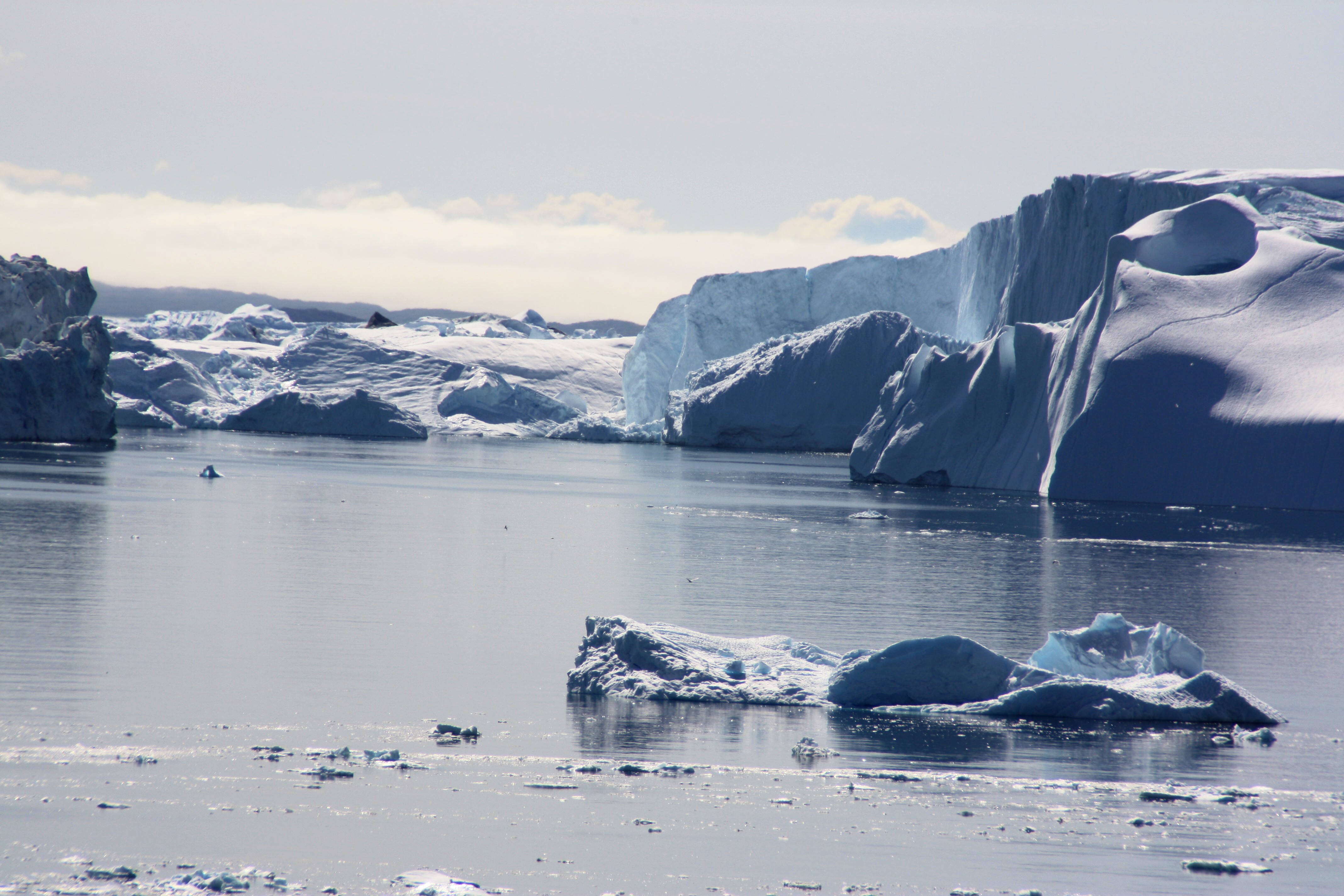
The ice sheet discharges icebergs into the sea (I. Quaile)
Now while that extreme is not something I worry about happening any time soon, I am concerned that the ice is melting ever faster and already contributing more to sea rise than it used to, with clear consequences for low lying coastal areas in many parts of the world. Even that massive ice sheet, more than three kilometers thick at its highest point, which has covered Greenland for two to three million years, is not safe from our human-induced global warming.
Lucky for some?
Of course the Greenlanders themselves are experiencing considerable changes to the environment they live in. The sea ice they relied on has dwindled in summer, shortening the time when it can be used as a reliable platform for people to travel from place to place by dog sled or snowmobile. Thawing permafrost is creating problems for some buildings. Traditional hunters and fishermen are having to change their lifestyles.
At the same time, given the harsh conditions in Greenland, especially in winter, it’s not hard to understand why some Greenlanders are not too upset about the climate getting a bit warmer. Grow more fruit and veggies. Earn revenue from easier mining, shipping, drilling – maybe enough to fund complete independence from Greenland? The worries of small island states in the Pacific may well seem a world away. But there is no escaping the fact that melting Greenland ice is raising sea level and changing weather patterns all over the globe, even in unlikely places like Africa.
So – it’s time for the Iceblogger to get the gear ready. The ice island is getting warmer. But I won’t pack my bikini for this trip. There has been a lot of snow this summer. I hear the occasional sceptic saying, “see, more snow. Where’s your warming?” I am happy to refer them to expert Jason Box:
low surface ice loss on Greenland this year due to heavy snowfall – consistent with climate warming
Climate Central also takes up the subject.
Yes, climate warming is in this case resulting in more snow. At least the field reports from “Eastgrip”, the East Greenland Ice-Core Project, tell me that means there are fewer mosquitos around. Think positive.
I will be heading first to Kangerlussuaq, the departure point for expeditions to the ‘”inland ice” of Greenland at the weekend. Look out for a post from there some time soon.
Comments deactivated Iceblogger Images

Equi glacier meeting the sea off Greeenland (Pic. I.Quaile)
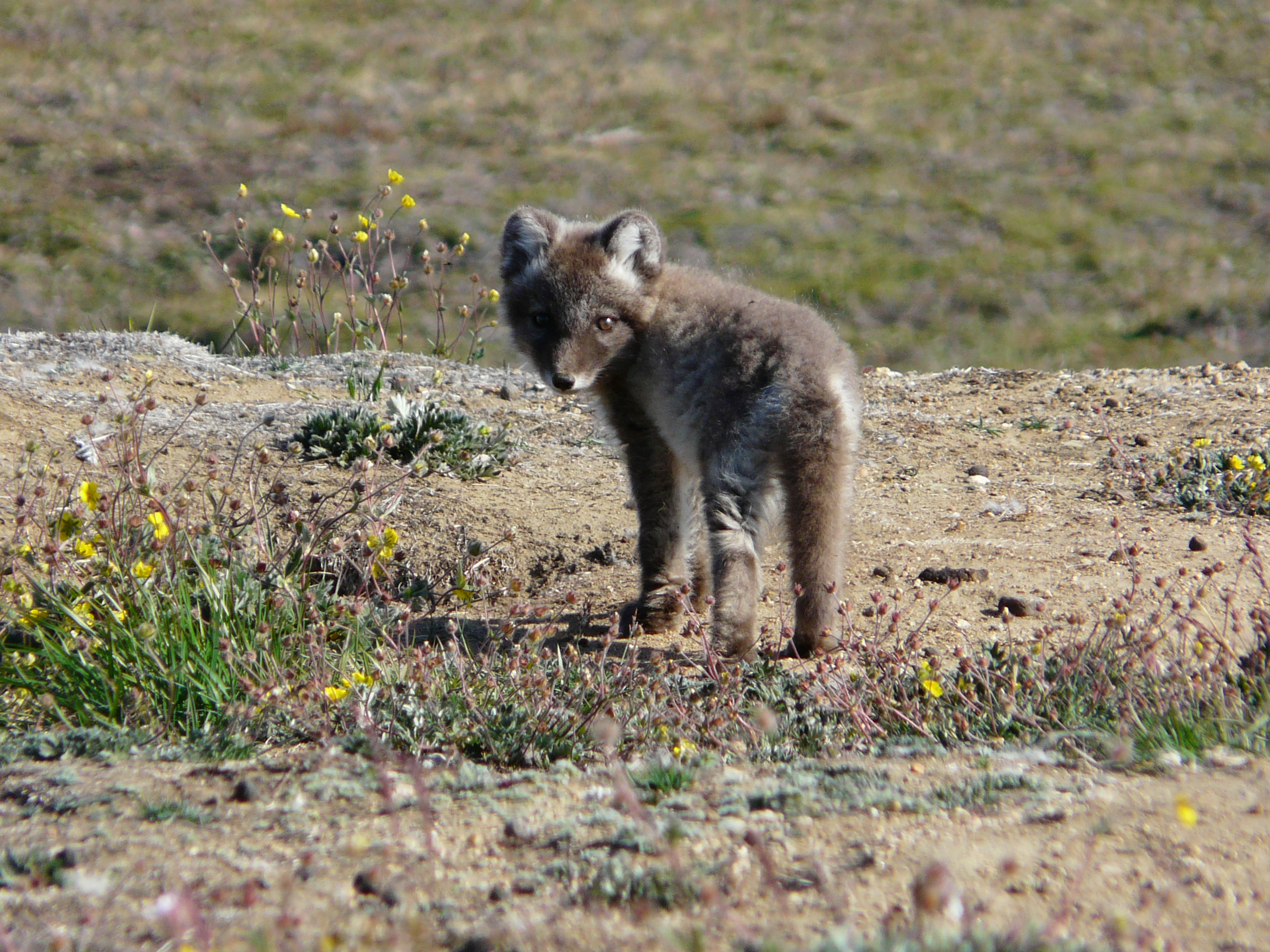
Will the Arctic fox survive in a warming climate? (Pic. I.Quaile, Greenland)

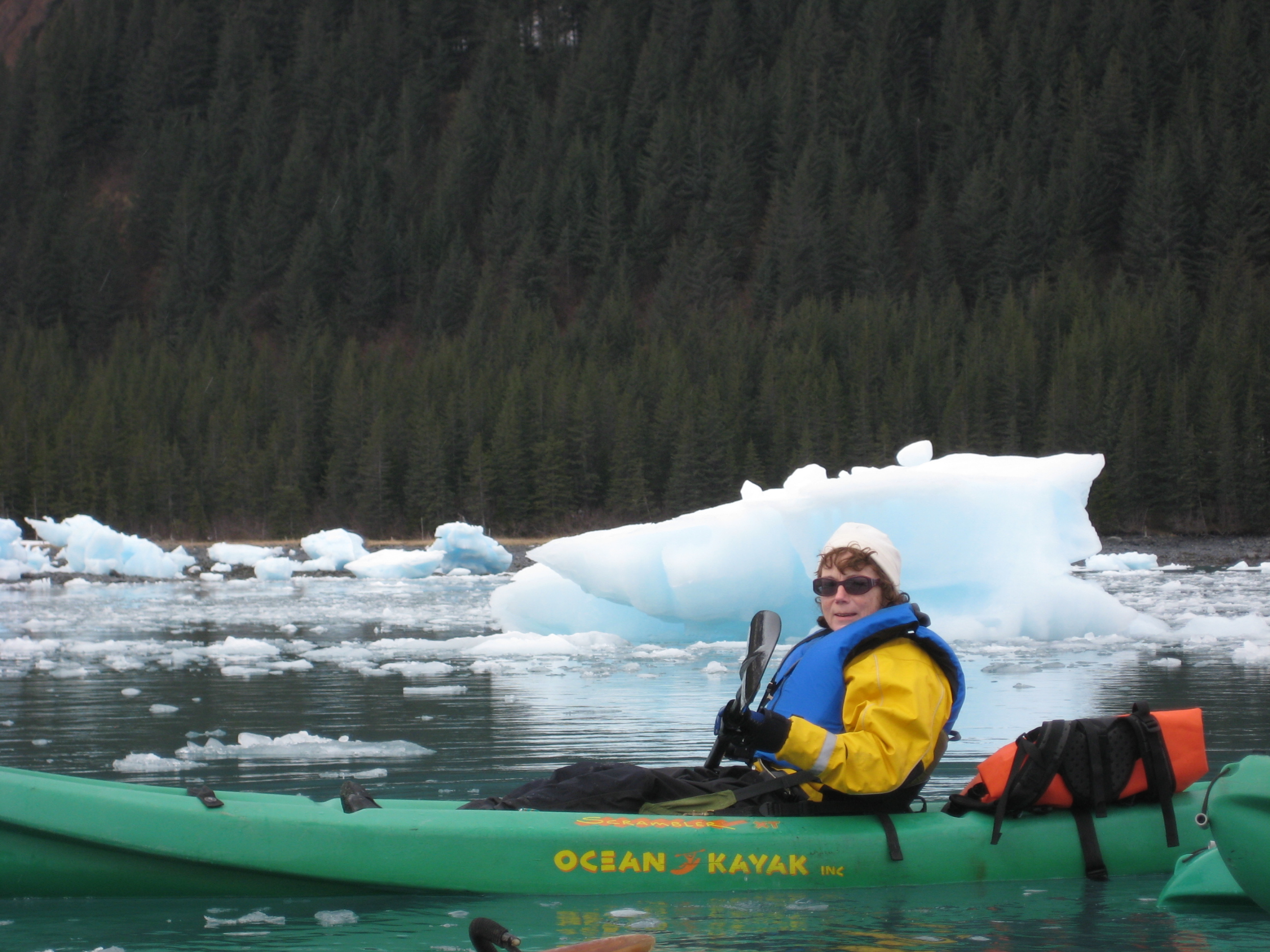
Iceblocker! (Pic. I.Quaile, Alaska)

Glimpse of Greenland (Pic. I.Quaile, Greenland)

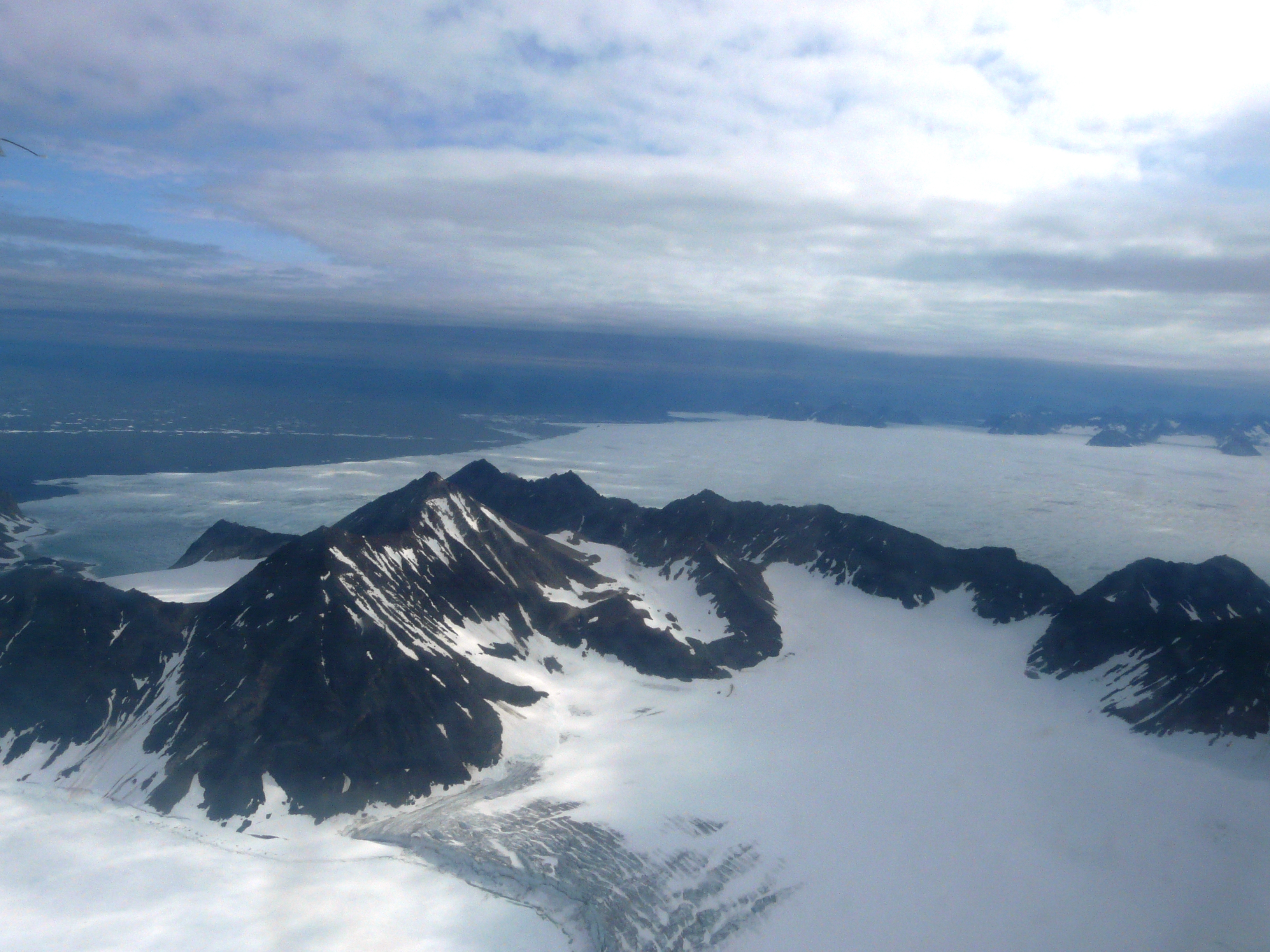
Can we halt Arctic ice melt? (Pic: I.Quaile, Greenland)

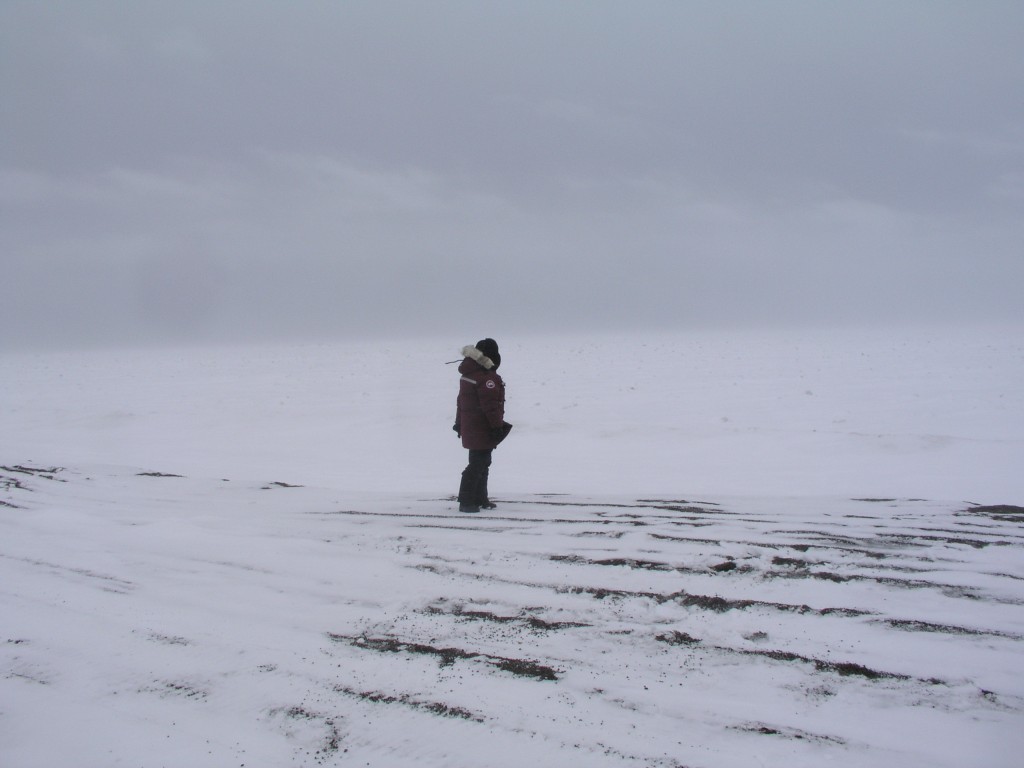
Visit to the site of a lost Inupiat village at Point Barrow (Pic.: I.Quaile)
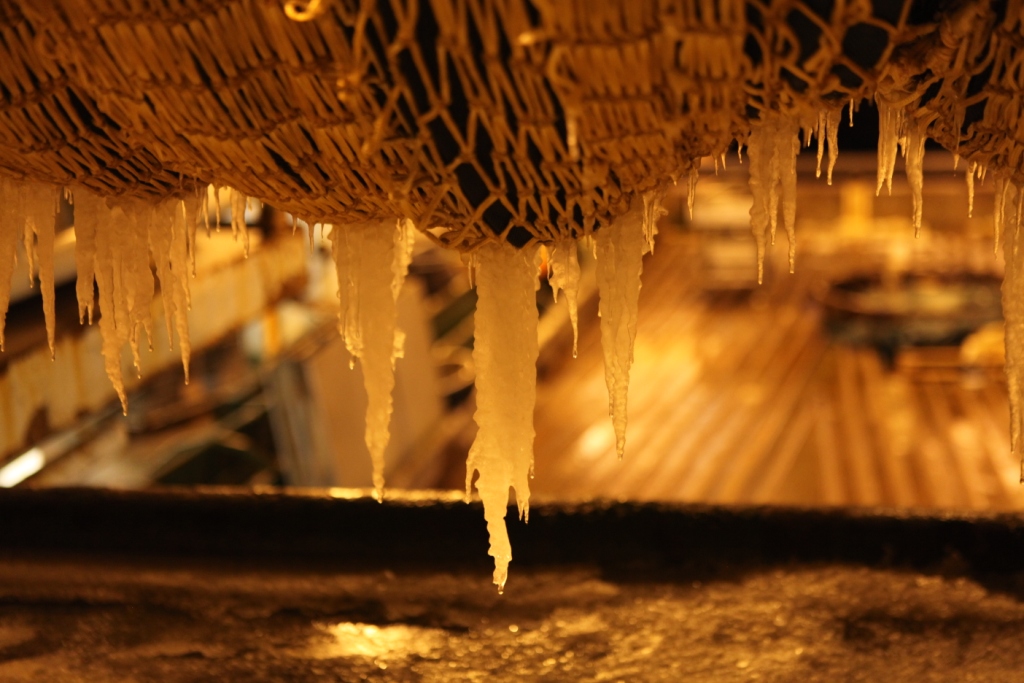
Icicles on the nets (Svalbard in winter)(Pic. I.Quaile)
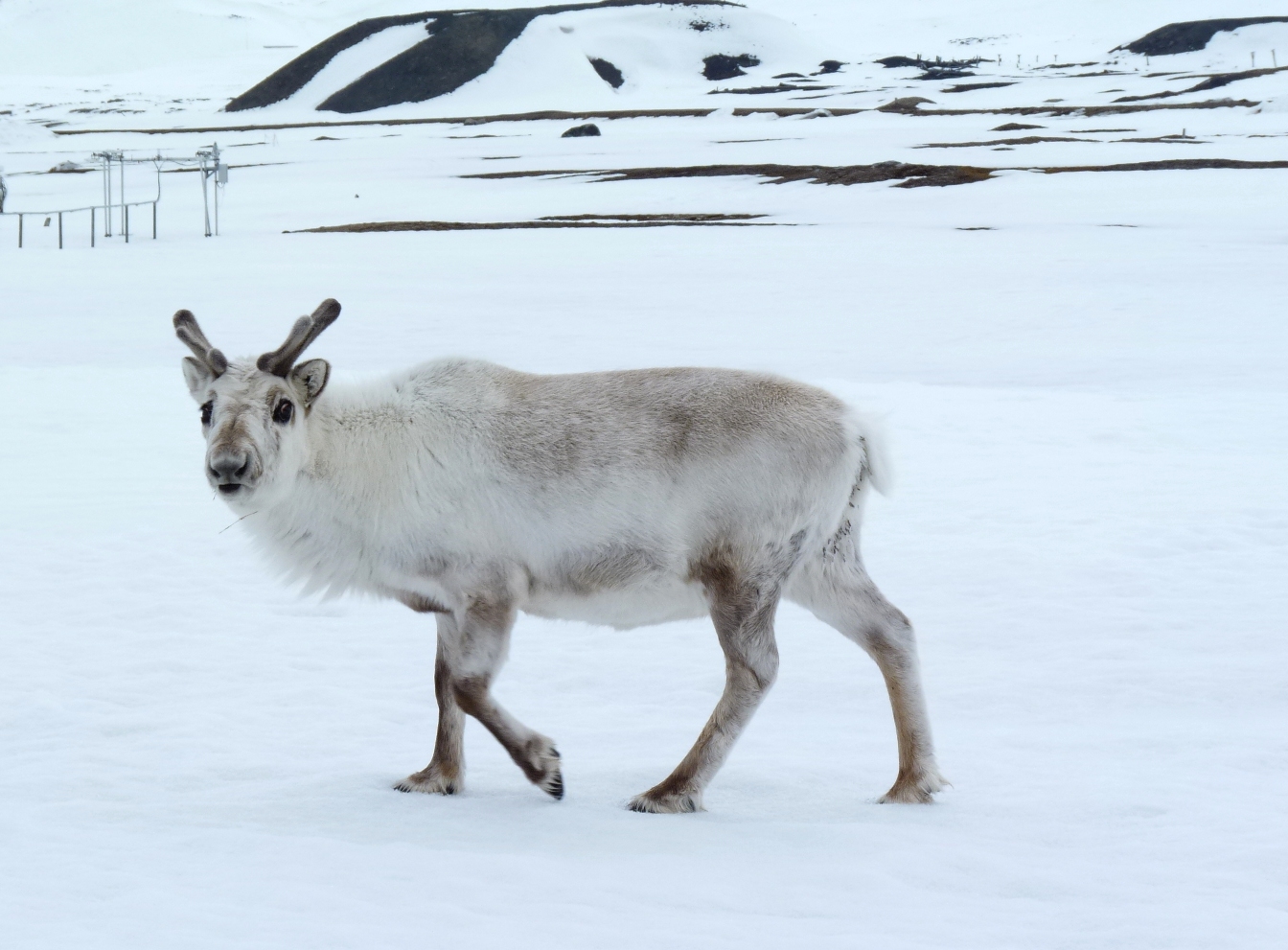
Svalbard’s sturdy reindeer are adapting to climate change. (Pic: I.Quaile)
Comments deactivated Greenland earthquake and tsunami – hazards of melting ice?
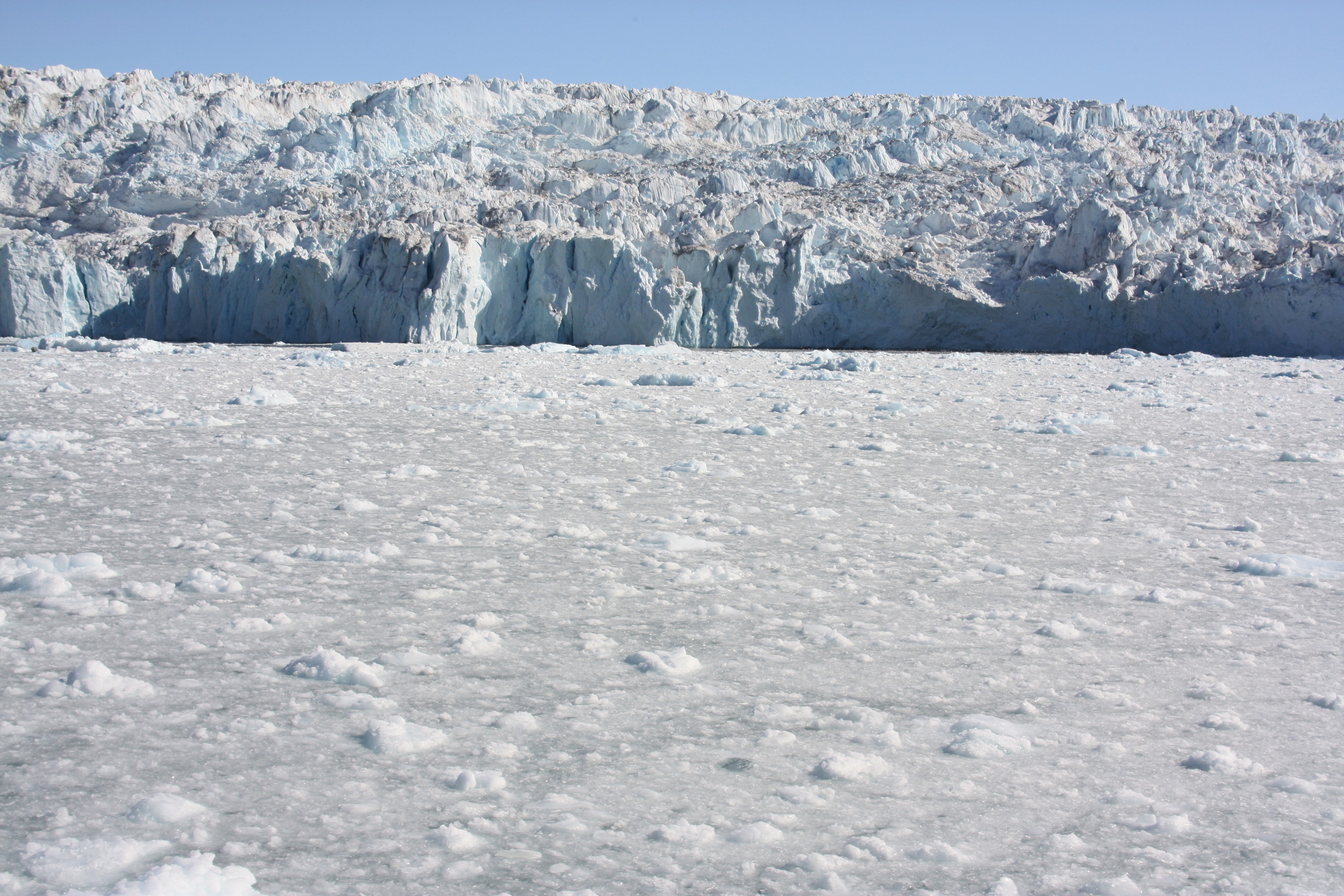
Is gradual CO2 increase speeding up Greenland ice sheet melt? (Pic: I.Quaile)
Following the news over the weekend with a trip to Greenland this summer at the back of my mind, my attention was immediately caught by reports of a tsunami and earthquake in Greenland. Four people were reported missing. Buildings had been swept away, including the power station on the island of Nuugaatsiaq. Greenland is not the first place that comes to mind in connection with earthquakes and tsunamis. But in fact they are not as rare as you might think.
The cause of the weekend’s event is still unclear. But a tweet from the Greenland Climate Research Centre links to an article in the Washington Post from June 25 2015:
“Glacial earthquakes”
The article reports on a paper published in the journal Science at that time by researchers from Swansea University in the UK, the Lamont-Doherty Earth Observatory at Columbia University and several other institutions. It says the loss of Greenland’s ice can generate “glacial earthquakes”.
“When vast icebergs break off at the end of tidal glaciers, they tumble in the water and jam the glaciers themselves backwards. The result is a seismic event detectable across the Earth”.
Worrying reading indeed, as GCRC wrote in their tweet.
The Washington Post article quoted Meredith Nettles from Columbia, one of the co-authors.
She specifically mentions the tsunami effect:
“The tsunami is caused because the iceberg has to move a lot of water out of the way as it tips over”.
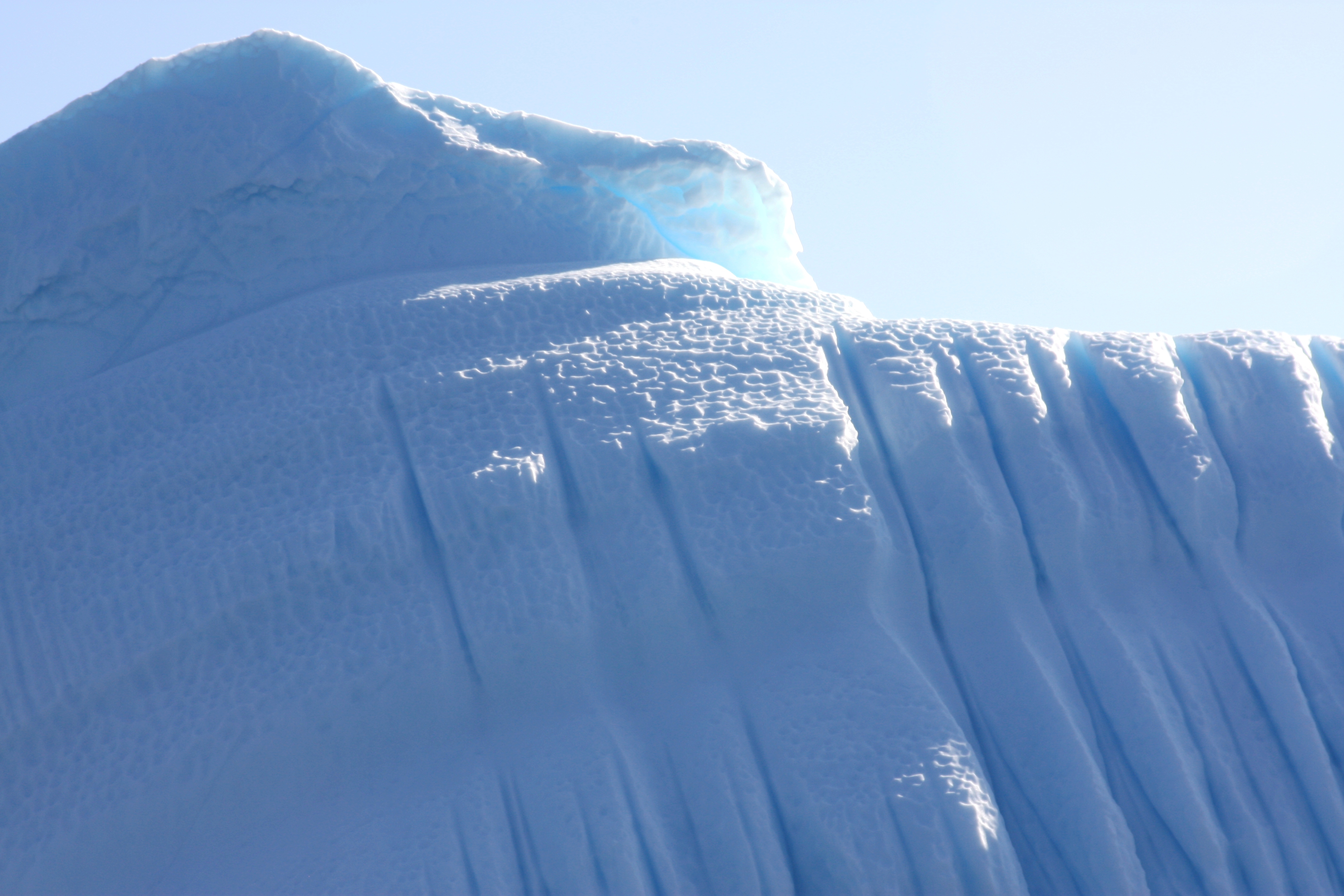
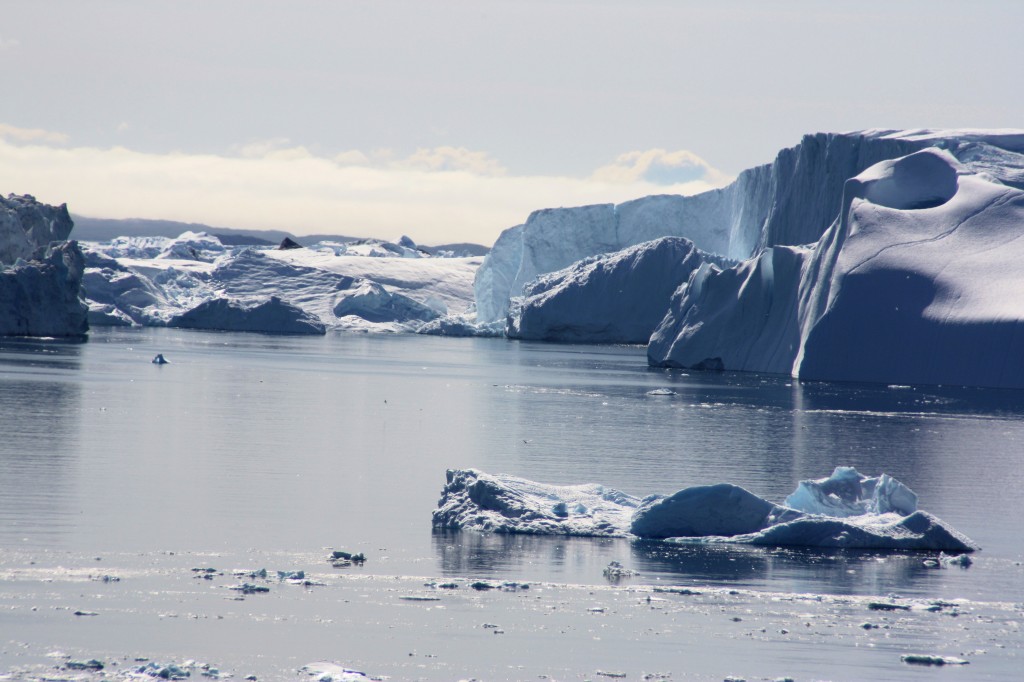
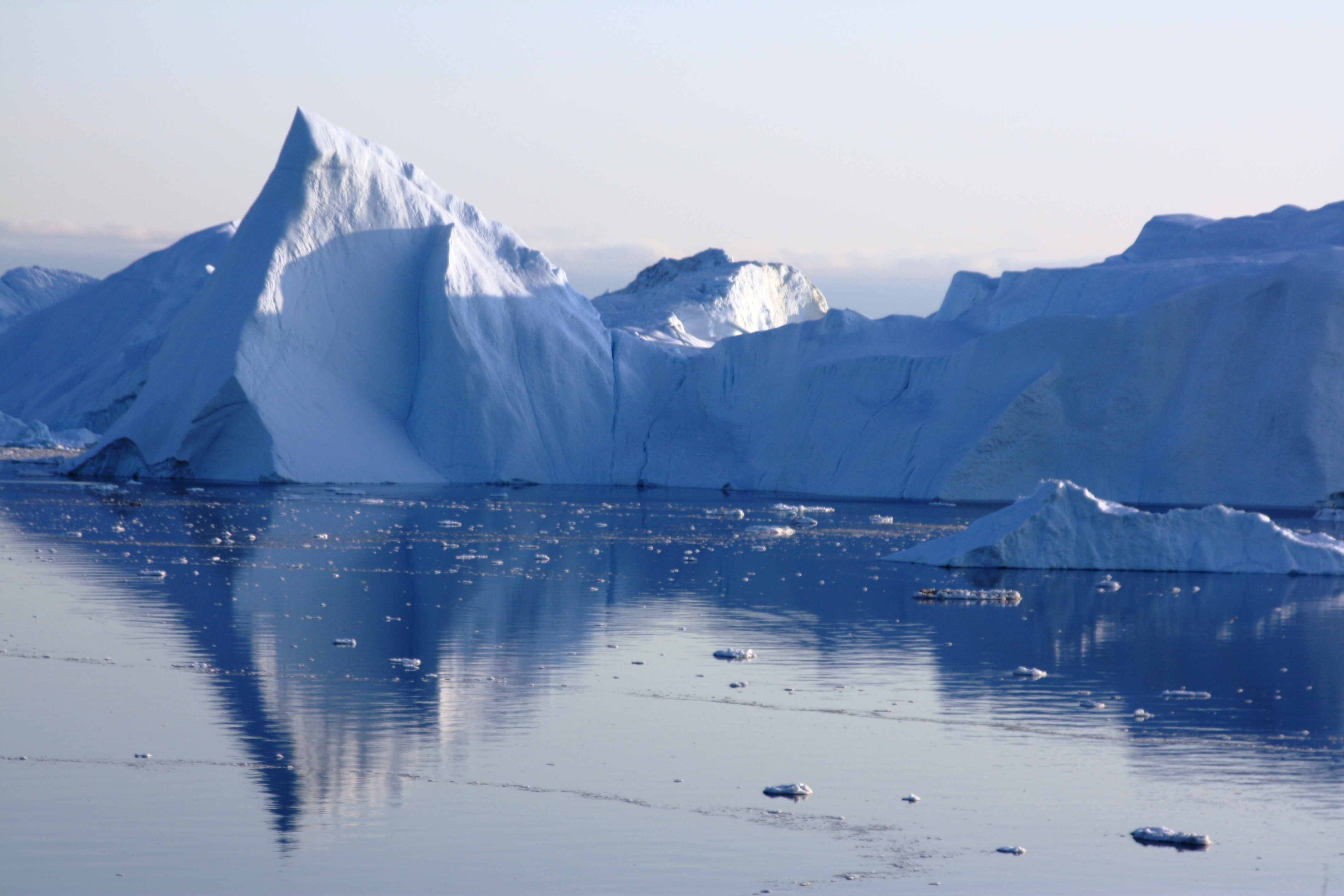
Arctic icebergs can displace a lot of water (Pic: I.Quaile, Greenland)
Too early to say
I have been trying to find more information on what the experts think caused this weekend’s particular event. So far, there is no clarity. But the GCRC tweet with link to the Washington Post article seems to indicate they think it could be ice-related.
Another theory is that the quake and tsunami were caused by a landslide. The news agency DPA says the Geological Survey of Denmark and Greenland are still trying to determine the cause of the tsunami.
“Initially, geologists believed it was triggered by an earthquake, but another theory blamed a large landslide from one of the mountains on the fjord system”.
It seems the Danish Arctic Commando published images showing signs of an extensive landslide.
“Tsunamis and large waves at times affect Greenland’s coasts, but, according to the Geological Survey, they are usually caused by landslides and the breaking off of ice from melting glaciers”, the agency writes.
DPA earlier noted that the Danish earthquake authority GEUS had recorded a 4.0 quake.
Warning from Greenland ice cores
One way or other, the weekend tsunami is unlikely to allay anxiety about the effects of rapidly melting substantial quantities of ice.
And a study just published by Germany’s Alfred-Wegener-Institute (AWI) provides more food for thought about human-induced changes to our climate. It indicates that the gradual nature of the changes we are making to the CO2 concentration in the atmosphere is no guarantee that the resulting climate change will also be gradual. On the contrary. Computer models based on information from ice cores from Greenland show that in high latitudes of the northern hemisphere, there were abrupt changes in climate, which the scientists attribute to a gradual increase in CO2.
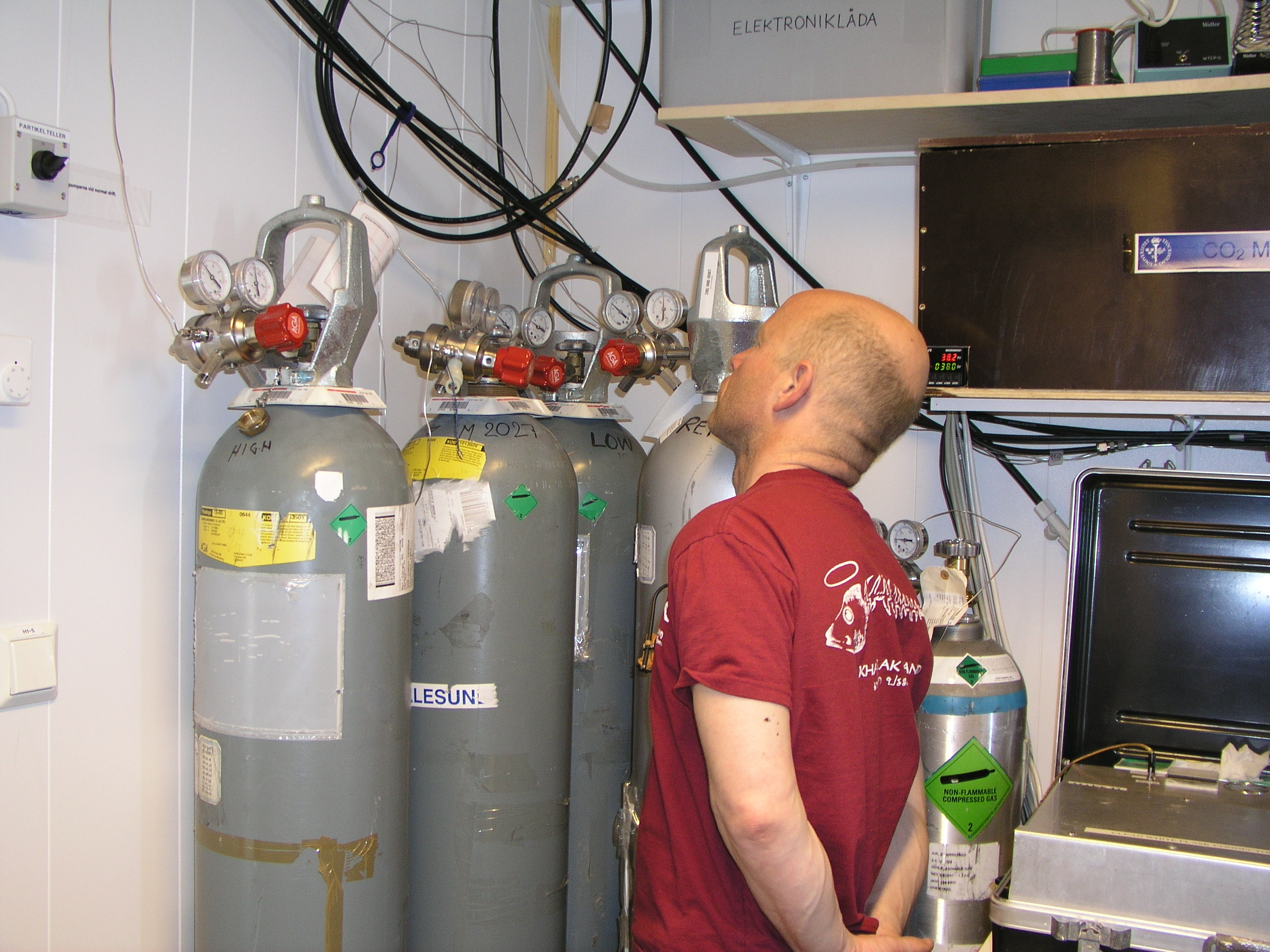
Rising CO2 emissions – no part of the world is spared (Measuring station on Svalbard, Pic. Quaile)
During the last ice age, they say that the influence of atmospheric CO2 on the North Atlantic Current within a few decades led to an increase in temperature of up to 10 degrees Celsius in Greenland. The study, published in the journal Nature Geoscience, by scientists from AWI and the University of Cardiff shows that in recent earth history, there have been situations when gradual increases in CO2 concentrations at what are known as “tipping points” led to abrupt changes in ocean circulation and climate.
Sudden warm age on the horizon?
Lead author Xu Zhang says the study is the first to prove that a gradual increase in CO2 can set off very rapid warming, based on interactions between ocean currents and the atmosphere.
The authors also show that the rise in CO2 is the main cause of chances in ocean currents during the transition from an ice age to a warm period.
Of course, they add, the framework conditions today are different from those during an ice age, so it is not possible to say the rise in CO2 will have similar effects in future.
But they say they can definitely show that there were abrupt climate changes in Earth’s history, which can be traced back to continual rises in CO2 concentrations.
Reason enough for concern to people living on the coast of Greenland – not to mention the rest of us, given the key role the world’s biggest island, with the biggest freshwater mass in the northern hemisphere sitting on top of it in the form a giant ice sheet, plays in influencing climate and sea levels around the globe?
Comments deactivated 



Feedback