


Search Results for Tag: South Africa
I’ll scratch your back if you scratch mine
By Jennifer Seitz
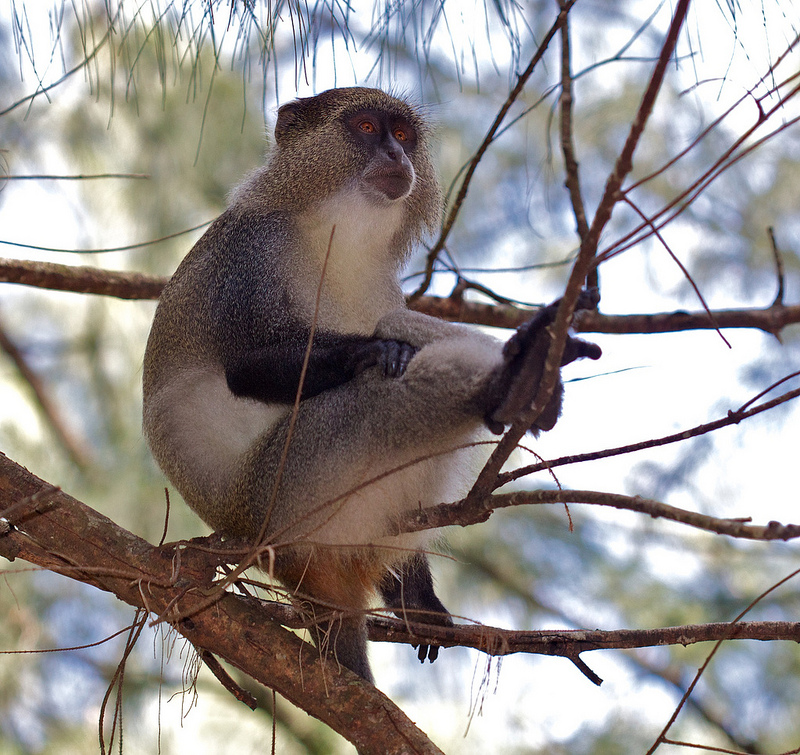
Samango monkeys appreciate human bodyguards
(Photo: flickr/hyper7pro under CC BY 2.0)
It’s hard to be a wild animal. As if it wasn’t enough that their habitats are threatened and they are challenged by climate change, they are also besieged by humans equipped with cameras and spyglasses to watch their every little twitch.
“Enough with that!,” the Samango monkeys (Cercopithecus albogularis) in South Africa may have thought. ‘If you’re hanging out in our place, we might as well put you to good use and make you our bodyguards!’
Monkeys opting for a human security detail? Well, this is what a new scientific study published in the magazine Behavioral Ecology suggests. According to the study the monkeys use field researchers as human shields against predators. The researchers, headed by Katarzyna Nowak from Durham University have shown in an experiment that the monkeys felt much safer and stayed longer at their feeding sites when people were around.
The furry fellows are not only eating longer in the company of human onlookers, it has also made them change their snack locations. Like most of their colleagues Samango monkeys gobble up their food up in the trees where they are safe from ground-based predators. While observing trees, which had been prepared with feed buckets at different heights the researchers discovered that the monkeys enjoyed their meals closer to the ground than usual, because they seemed to feel even safer in the presence of the researchers.
Quite clever these little fur balls!
But Nowak and her team raised another serious point well beyond their clever monkeys. How accurate can behavioral studies with animals actually be when the mere presence of the researchers is enough to change their behavior
Who knows what’s going on in the forest when nobody is watching?!


Bizarre but valuable: Top 10-list of new species 2011 draws attention to biodiversity
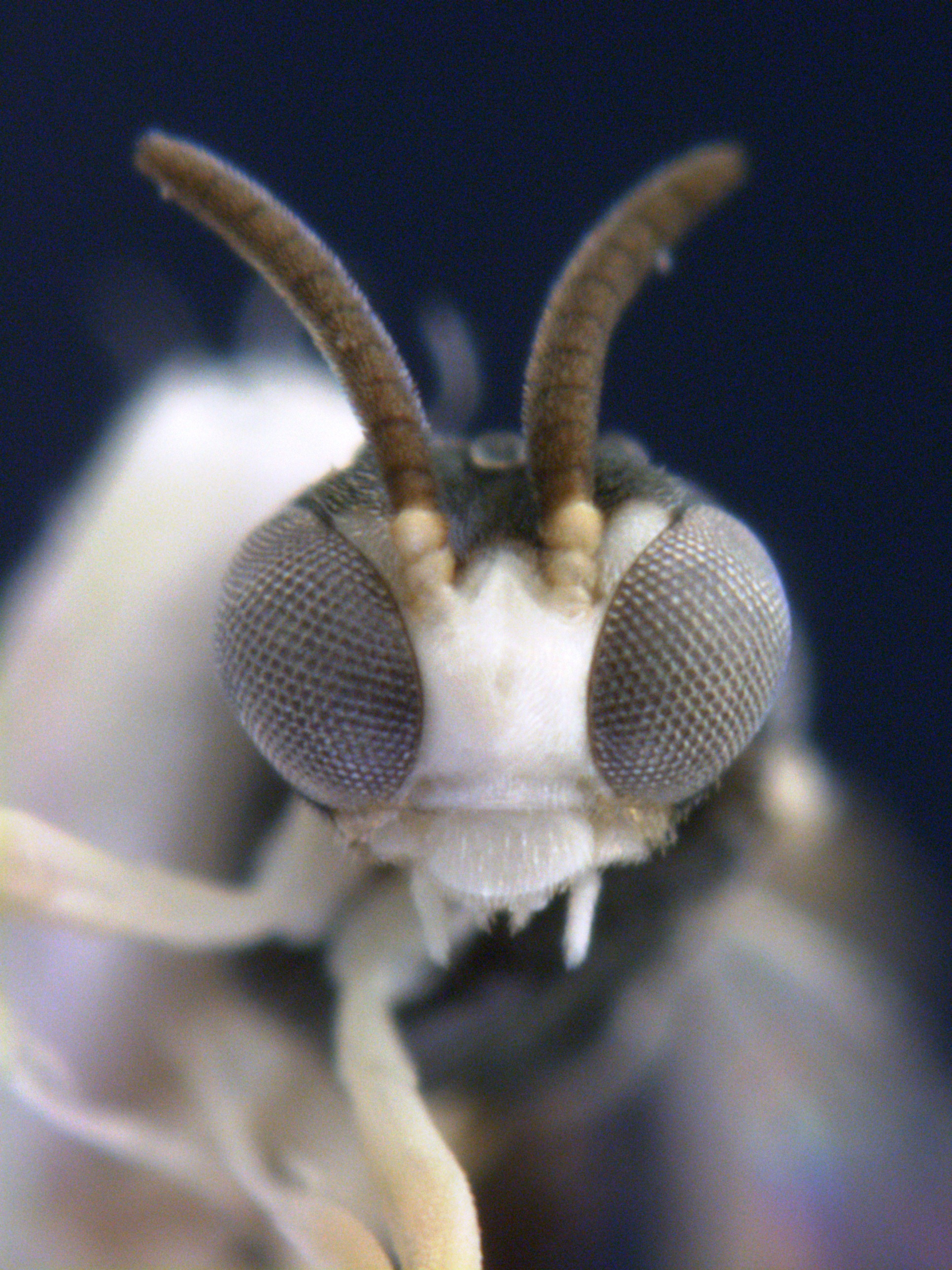
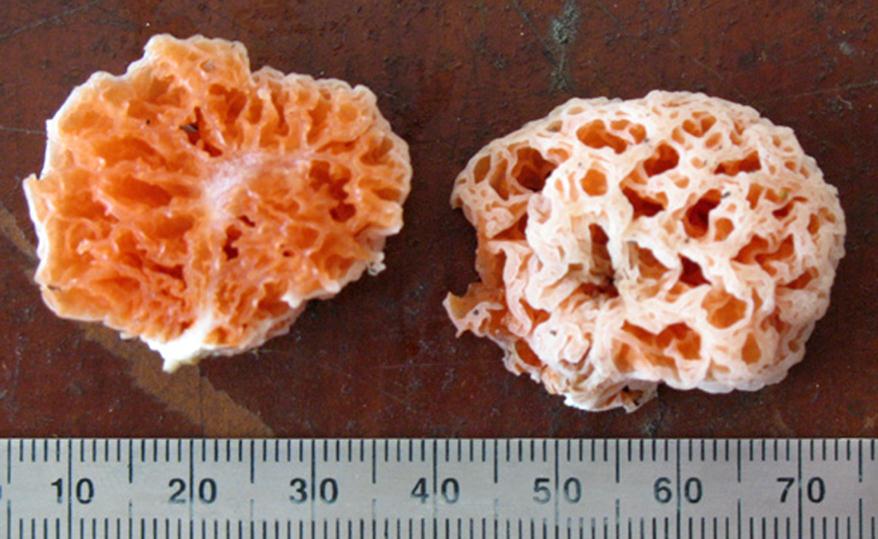
Short time ago the International Institute for Species Exploration at Arizona State University anounced their picks for the top 10 new species described in 2011. It’s the fifth time in a row that attention-grabbing species have been nominated to open the world’s eyes for “the biodiversity crisis and the unsung species explorers and museums who continue a 250-year tradition of discovering and describing the millions of kinds of plants, animals and microbes with whom we share this planet,” as Quentin Wheeler, an entomologist who directs the International Institute for Species Exploration at ASU, said.
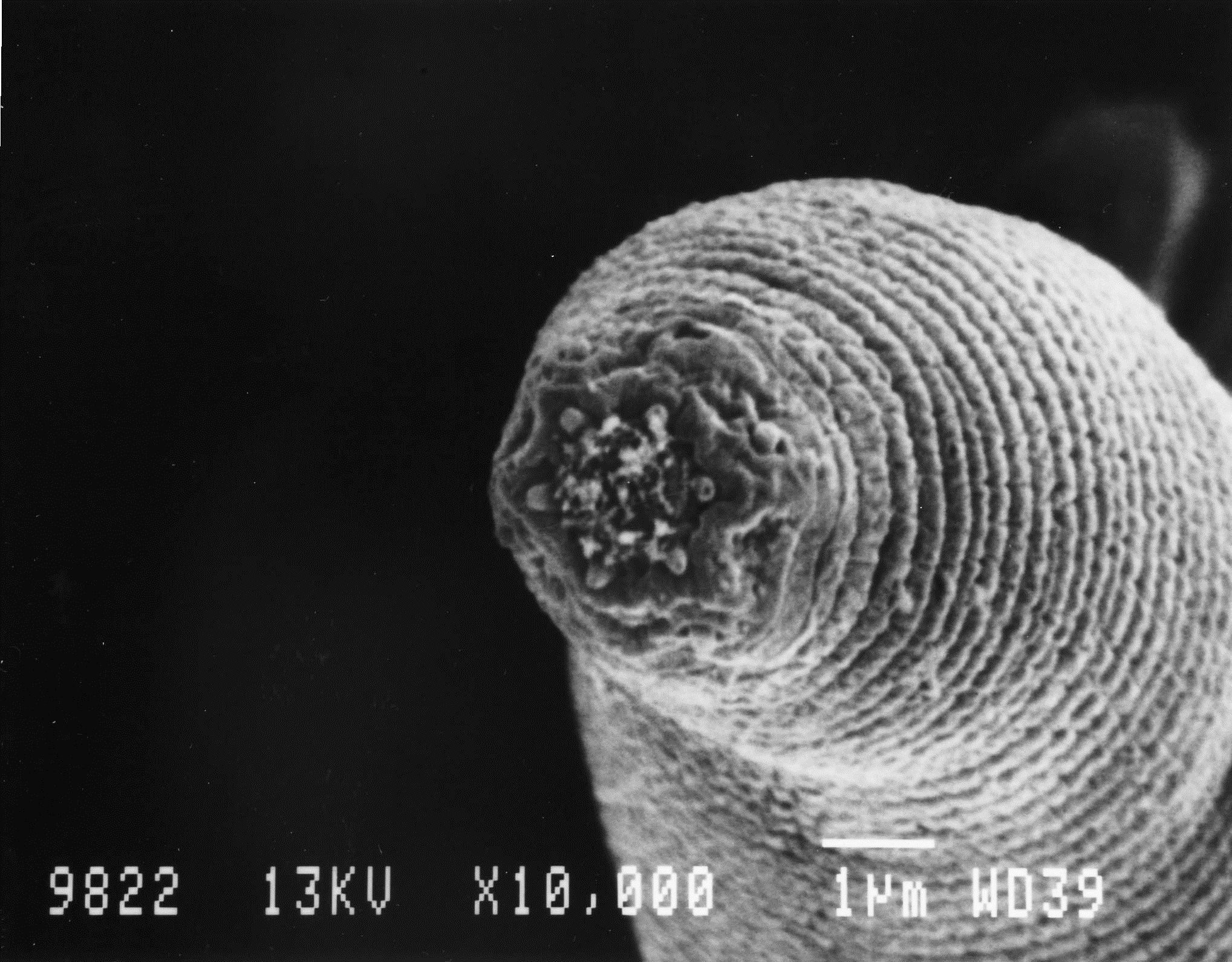
When you have a look at the gallery below you will have to admit that this year’s list is quite exquisit. It’s members come from Brazil, Myanmar, the Dutch Caribbean, South Africa, Papua New Guinea, Spain, Borneo, Nepal, China and Tanzania. You will find a sneezing monkey there, a beautiful but venomous jellyfish, an underworld worm and a fungus named for a popular TV cartoon character.
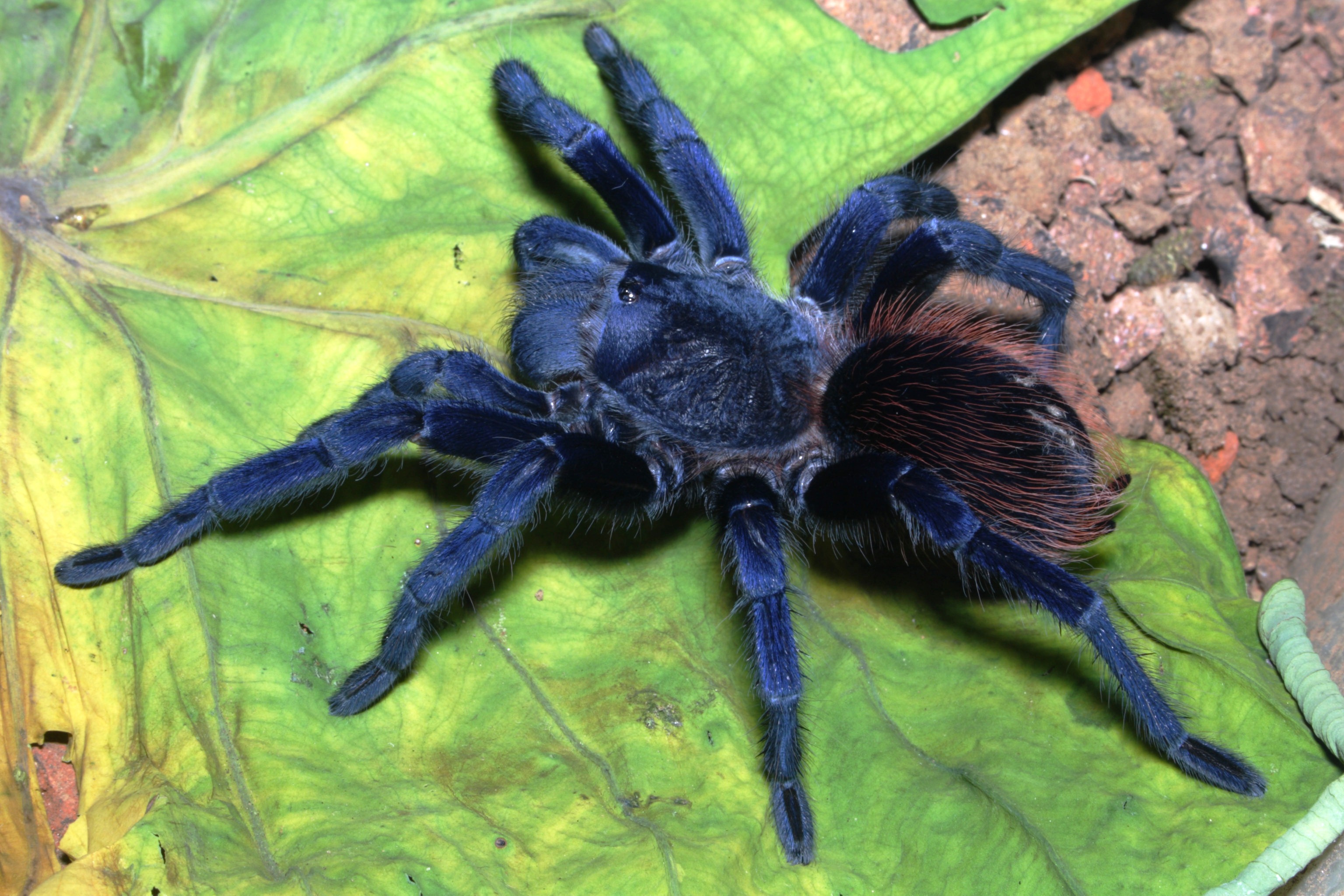
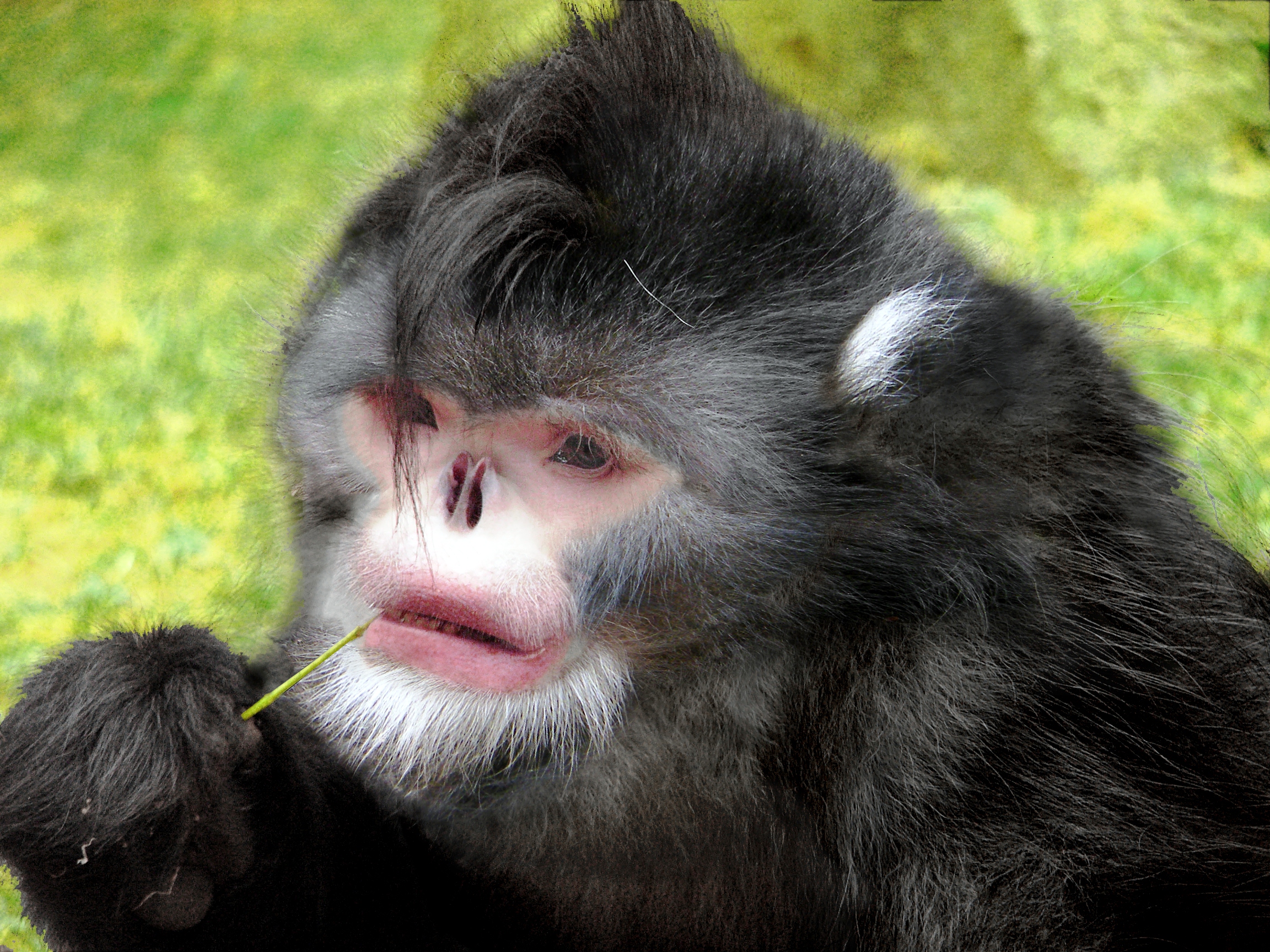

The nominations had to be “species that capture our attention because they are unusual or because they have traits that are bizarre,” said Mary Liz Jameson, an associate professor at Wichita State University who chaired the international selection committee. At the institute’s website you will also find a Google world map that pinpoints the location for each of the top 10 new species.
 Comments deactivated
 At mid-point in Durban

The COP17 climate conference in Durban is at mid-point and the prospects for success are not looking very bright. Since this weekend the political leaders have started to arrive to confront some of the problematic issues. There will probably be some compromises being worked out but fears remain that this won’t be enough to tackle the worsening climate situation.
The hottest topic of course is the future of the Kyoto Protocol. Though the developing countries have been fighting for the protocol’s survival it seems that some of the rich nations want, to say the least, some adjustments. Critics say, that they want to get rid of it. In last week’s talks, the European Union came up with some ideas to keep Kyoto alive, through a decision or a declaration. But for this, the EU wants to extract a huge concession, that all “major economies” agree to start negotiating for a new legally binding treaty that will take in effect in 2020. Problem is, that there is no definition of what a “major economy” is. Among developing countries one might think of those with a large population. But on a per-capita basis, they a still developing countries. And that’s the way the developing countries are looking at it. So it is not surprising that developing countries like China, Brazil or India are not interested in taking up talks about this issue. How this story of the Kyoto Protocol is going to end is hard to say. A quick death is unlikely. Especially given the protest this might arouse and the bad name this will give to those who bury it.
The Durban conference is also debating on how to put a new Green Climate Fund into operations. Disputes remain on the fund’s governance. If the is an agreement, it may be Durban biggest but also only visible success. But the are still a couple of more days to go.
Comments deactivated Youth and the Future
 It was Young and Future Generations Day at COP17 in Durban on Thursday, and among the many events, talks and side events that took place on that day alone, one message came across very clear and loud: it is time to act, the time for political inactions has run out. If the world doesn’t act now it might be too late.
Young people and their future are actually at the center of these talks, because it is their future that’s being talked about. They are the primary stakeholders in the outcome of this conference. So they have the right to demand more of the negotiators, and of the targets they are setting. In a session called “An Intergenerational Inquiry” UNFCCC Executive Secretary Christiana Figueres warned youth not to pick up the bad habits of negotiators and stay ambitious. In response, 16-year old Mokgadi Seemola silenced the room in stating, “Because of some of the wrong decisions some negotiators have made, my dream is shattered.” Drought has devastated her South African community and now she faces the harsh realities of climate change. She had hopes to share the world she grew up in with her children, and that’s now impossible.
One would hope that negotiators at this conference had heard the message: that there is no time to wait any longer on coming to a binding agreement on how to stop climate change. There is not much time left. So, what action will they take?
(Report based on Eco, the NGO newsletter by CAN at the UNFCCC meeting in Durban)
Comments deactivated Brazil’s new forest law
 As the world tries to find ways the reduce global emission in Durban, Eco, a publication of Climate Action Network CAN at COP17, is reporting on Brazils plans of igniting a real carbon bomb. A bill to change the country’s Forest Law is supposedly about to be approved, resulting in the increase of deforestation. The proposed bill, they say, will be sent to President Dilma Roussef for final cinsideration in coming weeks. One of the foreseeable consequences is that an area almost the size of France and Great Britain combined will loose legal protection, according to estimates presented by the Brazilian government itself. Since Brazil will be hosting the Rio+20 con fence next year, the situation is even more delicate.
In the corridors at Durban, these developments are causing considerable consternation. It is expected that Brazil President Dilma Roussef will send a clear message to the world that the country will meet all commitments announced previously in fighting climate change and protecting the Brazil forest.
Comments deactivated 






Feedback