


Search Results for Tag: Middle East
Syrian Arab promotes Kurdish culture
Kurds, an ethnic minority in Syria, suffered oppression under the “Arabization” policy of the Assad regime. But the Syrian revolution has brought along change. With a strong political and military presence in northeast Syria, Kurds are putting their past behind and working towards a better future. They have transformed from being underdogs to the ones in power. This newfound influence is not just political or military, but also cultural, and Kurdish culture is experiencing a sort of revival. Young Syrians, like Sameer Shaiyer, 28, are doing their bit to spread the word about Kurdish art forms. And what makes Samir’s job challenging is that he’s Arab.
Listen to the report by Gayatri Parameswaran and Felix Gaedtke report from Qamishlo, Syria:
Syrian Arab promotes Kurdish culture
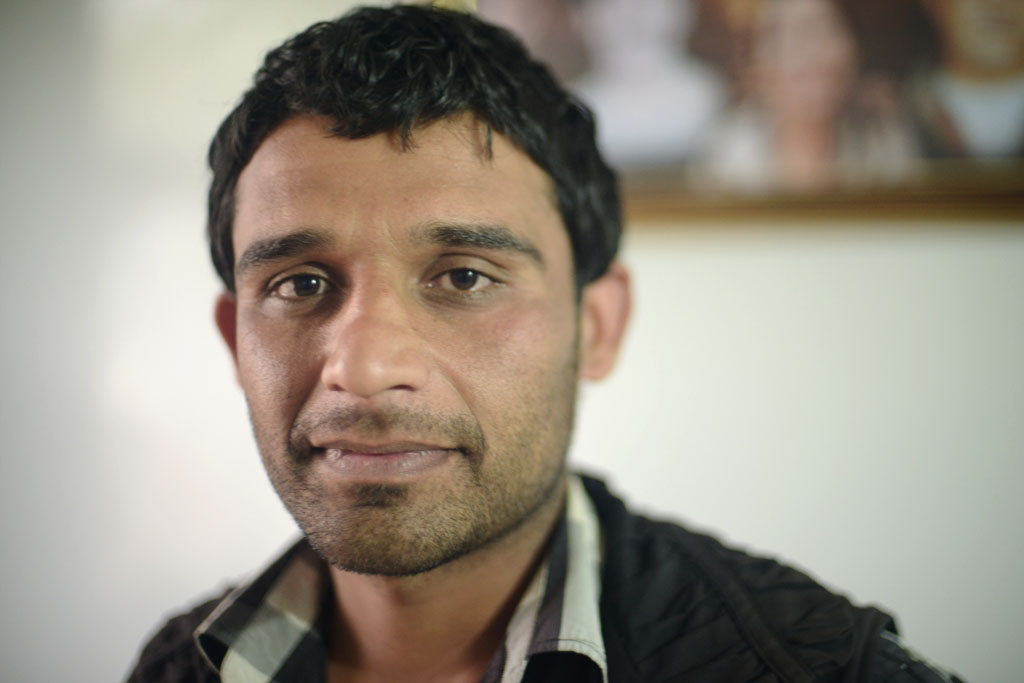
Sameer Shaiyer has been singing Kurdish songs since he was a child (Photo: Felix Gaedtke)


Bahraini crosses class borders to help torture victims
As an upper-class Shia Muslim, Jihan Kazerooni was far removed from Bahrain’s Arab Spring revolution. But when she learned of human rights abuses in her country, she founded a rehabilitation group for torture victims.
The Pulitzer Center on Crisis Reporting provided a grant for Reese Erlich’s coverage of Bahrain. Listen to the report by Reese Ehrlich from Manama, Bahrain:
Bahraini crosses class borders to help torture victims
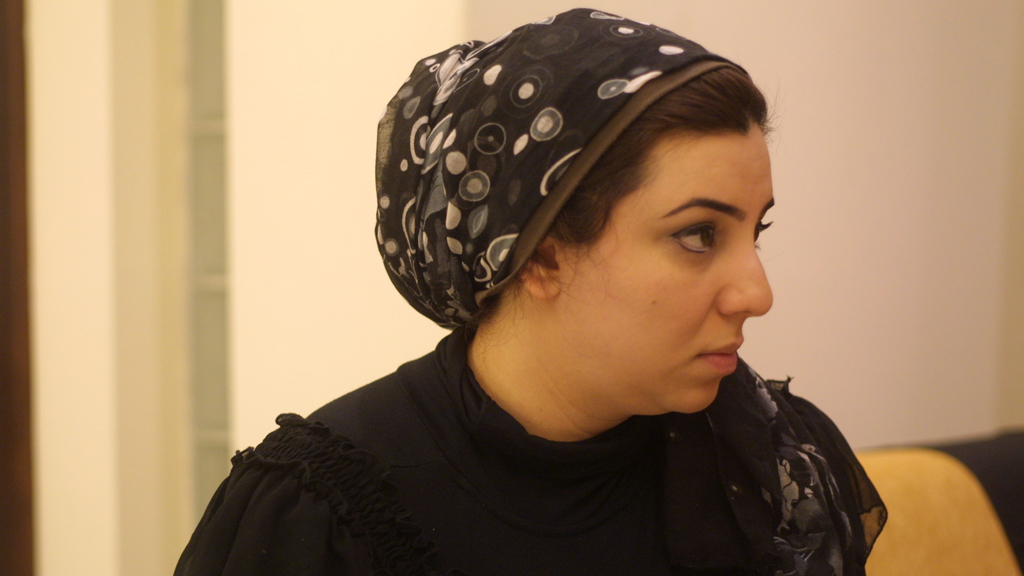
Jihan Kazerooni ignores social and religious divides
 Comments deactivated
 Young Israeli works with Muslim immigrants
In the heart of multicultural Berlin, Hagar Levin is helping Arab and Turkish immigrants with their job and language skills. In the process, she’s building bridges and helping deconstruct stereotypes about Israel and the Middle East.
Listen to the report by Leah McDonnell:
Listen to the report from Leah McDonnell
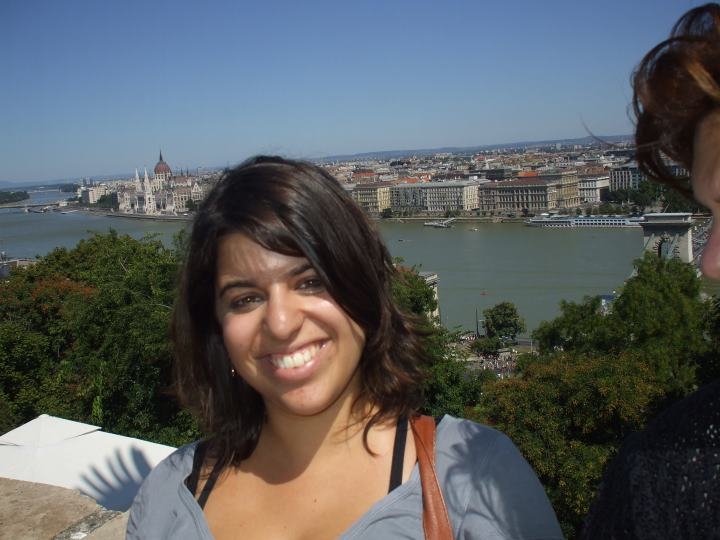
Hagar Levin, pictured, is helping to build bridges between cultures
Comments deactivated Peace through the arts in Bahrain
Since February 2011, the tiny country of Bahrain in the Persian Gulf has been plagued by sectarian divisions. But Wafa believes that reconciliation is possible – and one of the ways she is bringing people back together is with an art community she founded, called Malja.
Listen to the report by John Ridley:
Peace through the arts in Bahrain

Wafa believes in the goodness of her fellow Bahrainis
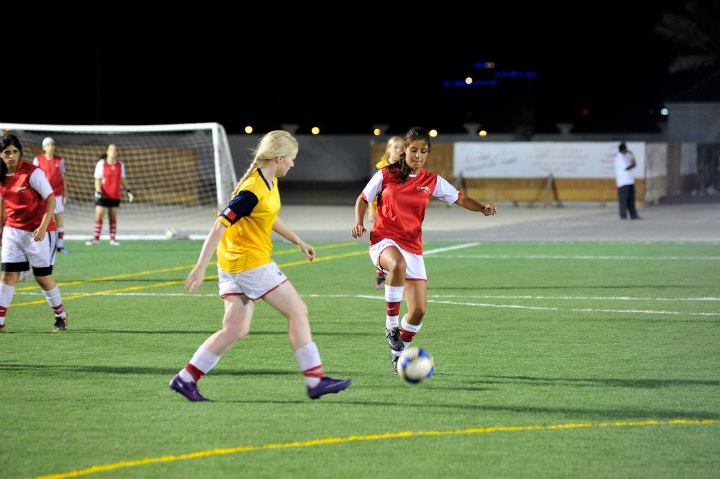
Wafa plays on a women's soccer team
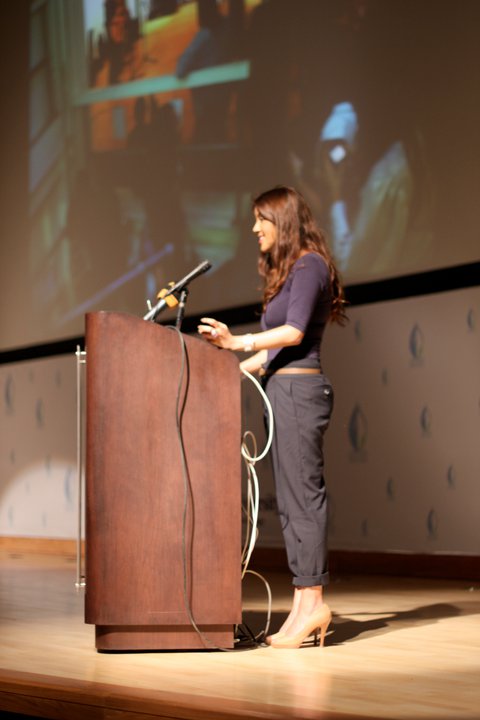
Wafa define Malja as a conceptual art hub
Check out Wafa’s arts community, Malja, on Facebook.
Comments deactivated Lebanese student encourages others to donate blood to save lives
If you live in a country with no centralized blood bank, where do you go if you need a transfusion? For Lebanese pharmacy student, Yorgui Keyrouz, the answer was his mobile phone. Lebanon’s health sector was in tatters following the country’s 15 year civil war, so Yorgui started an initiative to fill the gaping hole and he’s saved 15,000 lives already.

Yorgui Keyrouz started the blood bank on his mobile phone
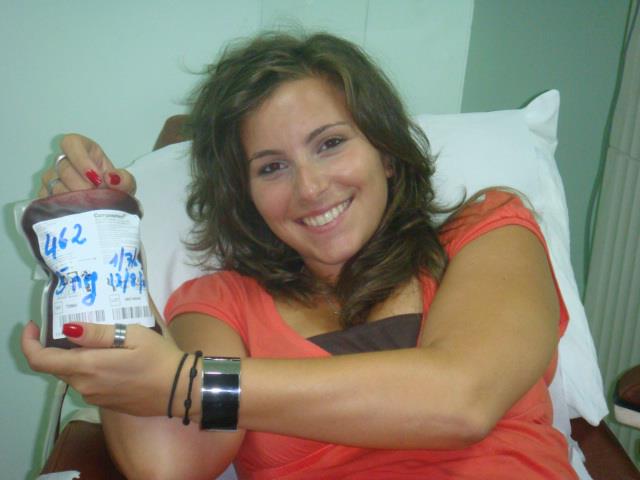
Samar Khoury is ready to give
Listen to the report by Dalila Mahdawi:
From unemployed to entrepreneur: the making of young Arab leaders
Youth unemployment across the Arab world is at 33 per cent, and women are most likely to fit this category. However, some young leaders are trying to turn this around, by encouraging and educating those affected by unemployment and lack of opportunity in the Middle East and turning them into young entrepreneurs.
Watch this DW video to find out more about how young global leaders are creating opportunities for young Arabs in the Middle East.
Comments deactivated Young Afghan politician sacrifices for change
Young politicians in Afghanistan face deep-rooted cultural and religious prejudices. But despite the intimidations, young activists like Said Mahmoud Pahiz are fighting to make their voice heard.
Young Afghan politician sacrifices for change
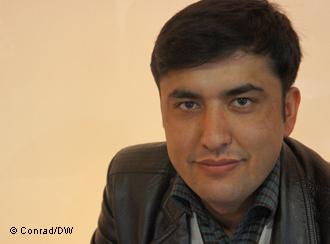
More from Deutsche Welle on Said Mahmoud Pahiz here.
Comments deactivated Afghan street artist longs to share her work
A 23-year-old Afghan graffiti artist longs to share her work at home, but she faces harsh restrictions. Instead, she sets up private exhibitions to give other women courage to be bold and colorful.
Afghan street artist longs to share her work
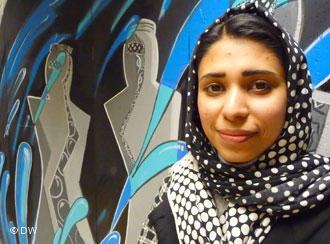
Shamsia is freer to share her work in Germany than in Afghanistan
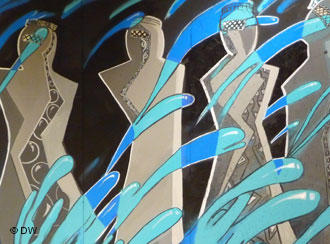
Shamsia says she invented a new kind of graffiti
Syrian activist uses mobile phones to campaign for freedom
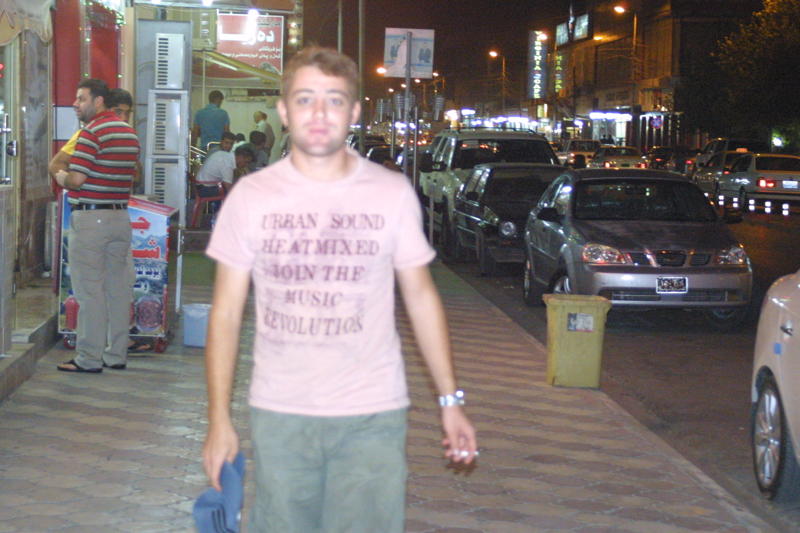
Syria is not experiencing a Facebook Revolution; it’s more of a mobile phone uprising. And 24-year-old activist Rashid is risking his personal safety to fight for democracy in his country.
Syrian activist uses mobile phones to campaign for freedom
From reporter Reese Erlich:
Erbil, Kurdish Region, Iraq
I wasn’t sure what to expect when setting up an interview with a grassroots leader of the Syrian opposition. We were both staying in the relative safety of Iraq’s Kurdish Region, far from the long arm of Syria’s Mukhabarat (military intelligence).
But still, Ciwan Rashid didn’t want to meet me at home. We agreed to do the interview on a crowded Erbil street with a shopping mall and restaurants. He gave me his name, but it’s a nom de guerre.
Rashid lives in the predominantly Kurdish region of Syria. Kurds have long faced discrimination at the hands of the Syrian government. Rashid says all Syrians face repression, but “Kurds in Syria faced even more repression than others.”
Rashid, like many other Syrians, watched the Tunisian and Egyptian uprisings with great anticipation. In Syria, demonstrations started in Damascus in March, caught fire in the southern town of Dara and ultimately spread to the northern Kurdish cities as well. Rashid immediately joined the protests.
“I wasn’t afraid,” he told me. I asked why not. After all, people were being arrested, tortured and killed. “There are two choices,” he said. “One is to escape and survive. The second is to die. If I survive, I will have my freedom.”
Comments deactivated Palestinian artist gives hope to community under occupation
Eid, a 26-year-old Palestinian Bedouin, turns scrap material into art. His own house may be facing imminent demolition, but he is determined that his children will inherit his capacity to dream.
Palestinian artist gives hope to community under occupation
Watch a short documentary film about Eid here.
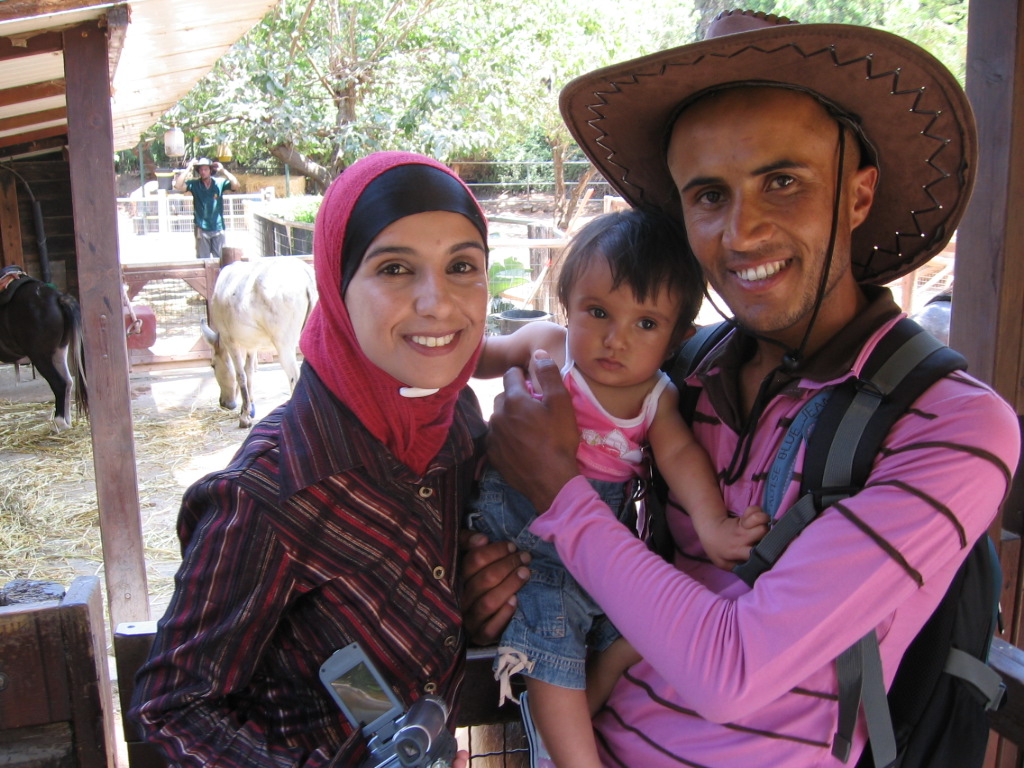
Eid with his wife Na'ama and daughter Sadin
From DW reporter Kate Laycock:
I first met Eid in November 2010, when I visited his village in the Occupied Palestinian Territories in the company of a mutual friend.
Although many people had tried to describe Eid to me, nothing could have prepared me for the emotion of the encounter.
Here is a young man living in one of the poorest areas of the occupied West Bank. The villages live in rickety concrete dwellings with corrugated iron roofs. Almost all the homes in his part of the village have demolition orders on them. The bulldozers could come at any time.
And yet he dares to dream.
Comments deactivated
Feedback