


Search Results for Tag: environment
Inventor’s deposit ring puts change in a bottle
Germany is known for its strong social system. Still, it’s not uncommon to see people in need of some extra cash rummaging through public trash cans for old bottles that carry a deposit.
Beer bottles are worth just 8 cents, but most plastic bottles can be redeemed for 25 cents. For some people, it’s not worth the trouble of taking them back to the store to get their deposit. But for others, a bag full of bottles can mean one more warm meal.
Paul Ketz in Cologne was bothered by all the deposit bottles he saw being thrown away, knowing that they were valuable to the less fortunate – not to mention the damage excess waste causes the environment.
So the 25-year-old came up with a brilliant idea that’s been catching on, not only in Cologne, but across Germany. Watch the video by Carl Nasman for a glimpse into Paul Ketz’s workshop:
Listen to Carl Nasman’s full report from Cologne for the whole story:

Cologne was the first city in Germany to order the rings (Copyright: 2013 Pawn Ring by Paul Ketz / Photo: Markus Diefenbacher)
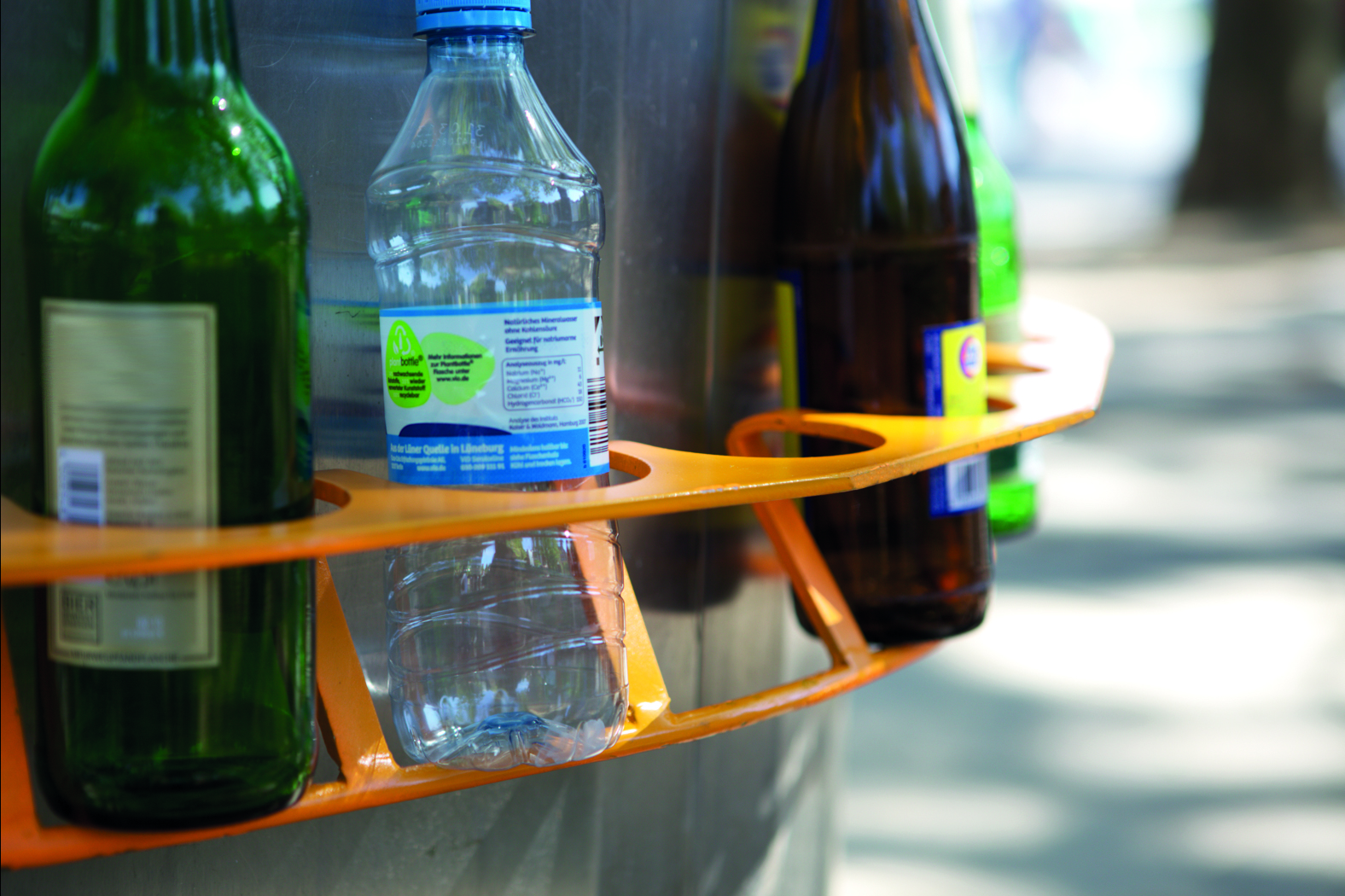
Most plastic bottles are worth 25 cents, glass are worth only 8 cents (Copyright: 2013 Pawn Ring by Paul Ketz / Photo: Markus Diefenbacher)
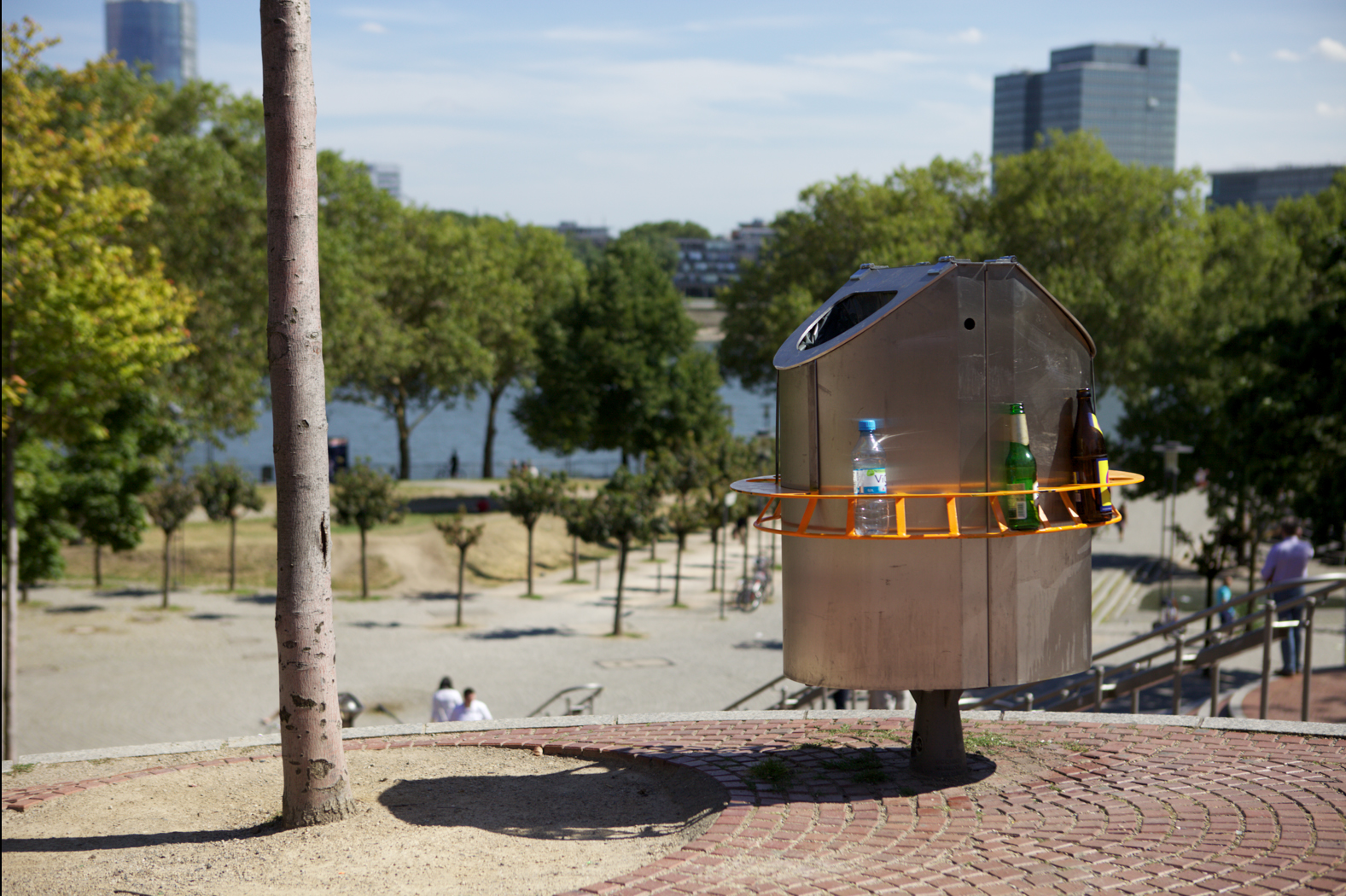
The rings are starting to catch on across Germany (Copyright: 2013 Pawn Ring by Paul Ketz / Photo: Markus Diefenbacher)
First published on April 29, 2014


Cleaning up Latvia’s coastline
The Baltic is one of the most polluted seas in the world. There’s litter strewn along many of the beaches on Latvia’s Baltic coast, and waste from industry and agriculture seep into the water.
But despite the pollution problem, local environmentalist Uldis Mors is determined to remind people of the beauty of the 500 kilometer shore. The 25-year-old has organized a special group expedition along the stretch of coast as part of a campaign called “Mana jūra,” or “My Sea” in English.
He’s hoping the trek will raise awareness about the fragile ecosystem, and persuade participants the shore is worth protecting.
Listen to the report by Gederts Gelzis in Riga, Latvia:
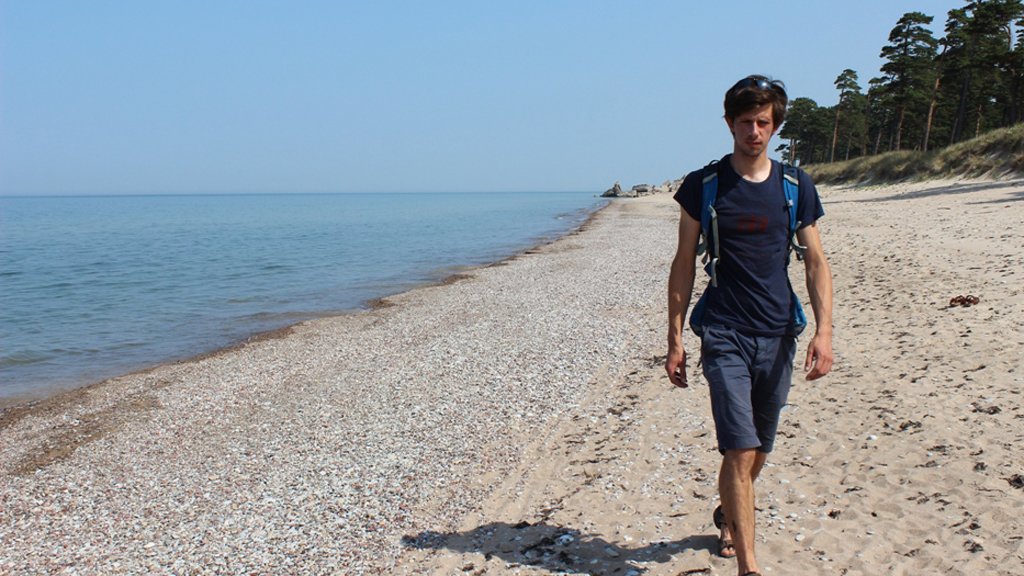
Uldis wants to show people the beauty of the Baltic Sea coast (Photo: G. Gelzis)
 Comments deactivated
 Saving France’s beaches from a plastic invasion
About five years ago millions of mysterious plastic pieces started appearing on France’s beautiful beaches. They were filters from nearby water treatment plants, where they play a useful role. But when the treatment plants overflow, the plastic filters escape and end up polluting the environment.
One 25-year-old Frenchman heard about the plastic invasion and decided to help protect the coastal environment. As a volunteer with the Surfrider Foundation Europe he’s been picking up as many plastic pieces as he can find. And that’s not all – he’s on a mission to find out where exactly these filters are coming from to hold the polluters accountable.
Listen to the report from Charlotta Lomas in La Teste-de-Buch, France
(first published October 29, 2013):
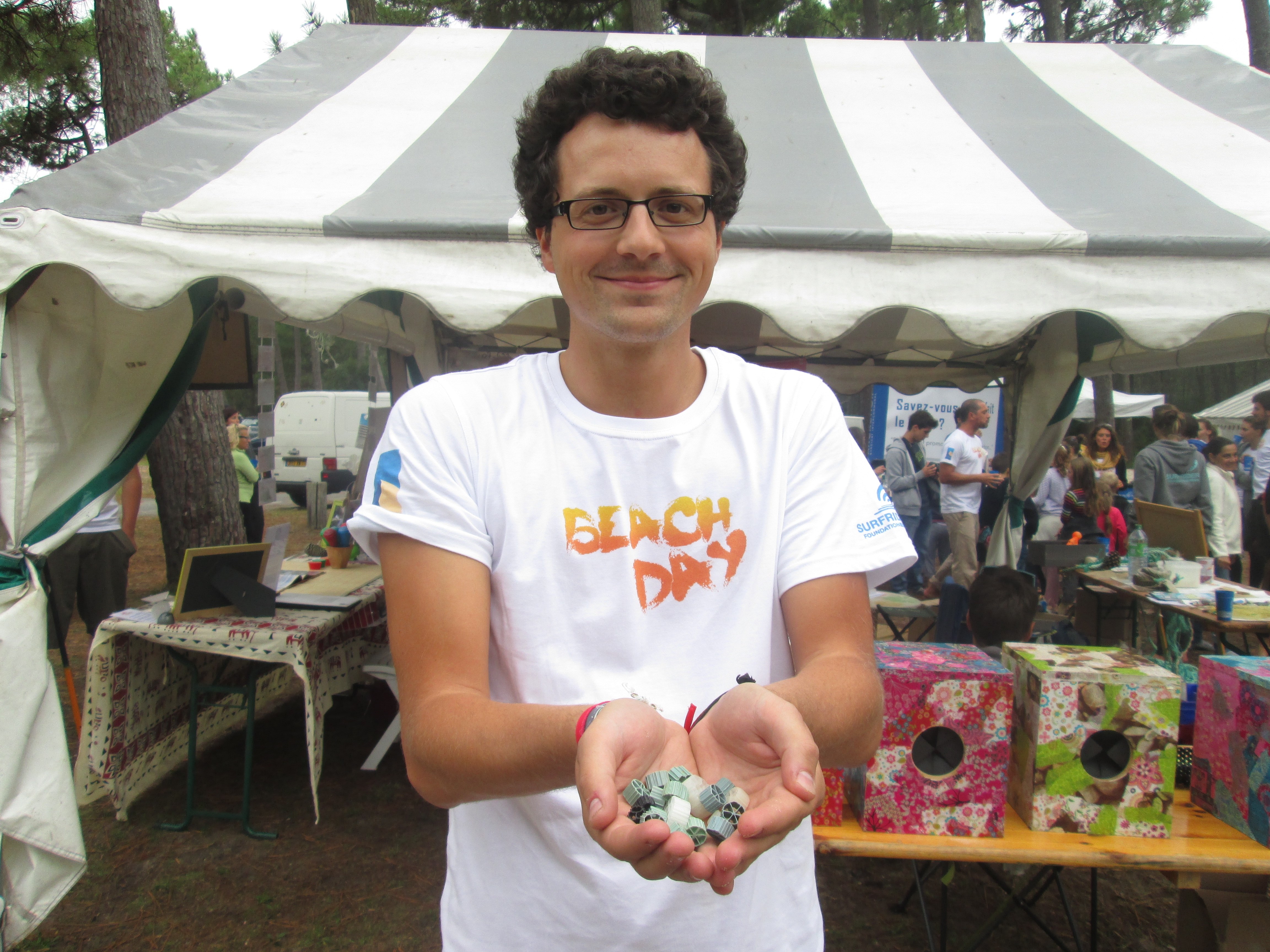
Charleric Bailly is not only picking up as many plastic filters as he can find on France’s beaches but also tracking down the sources of plastic pollution. (Photo: C. Lomas)
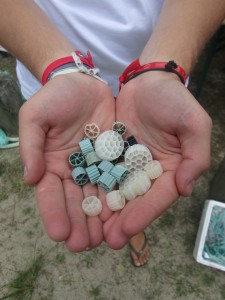
- These small plastic filters, also known as biocarriers, are used in wastewater treatment plants where they play a useful role. But when the treatment plants overflow, the plastic filters escape and end up polluting the environment. (Photo: C. Lomas)

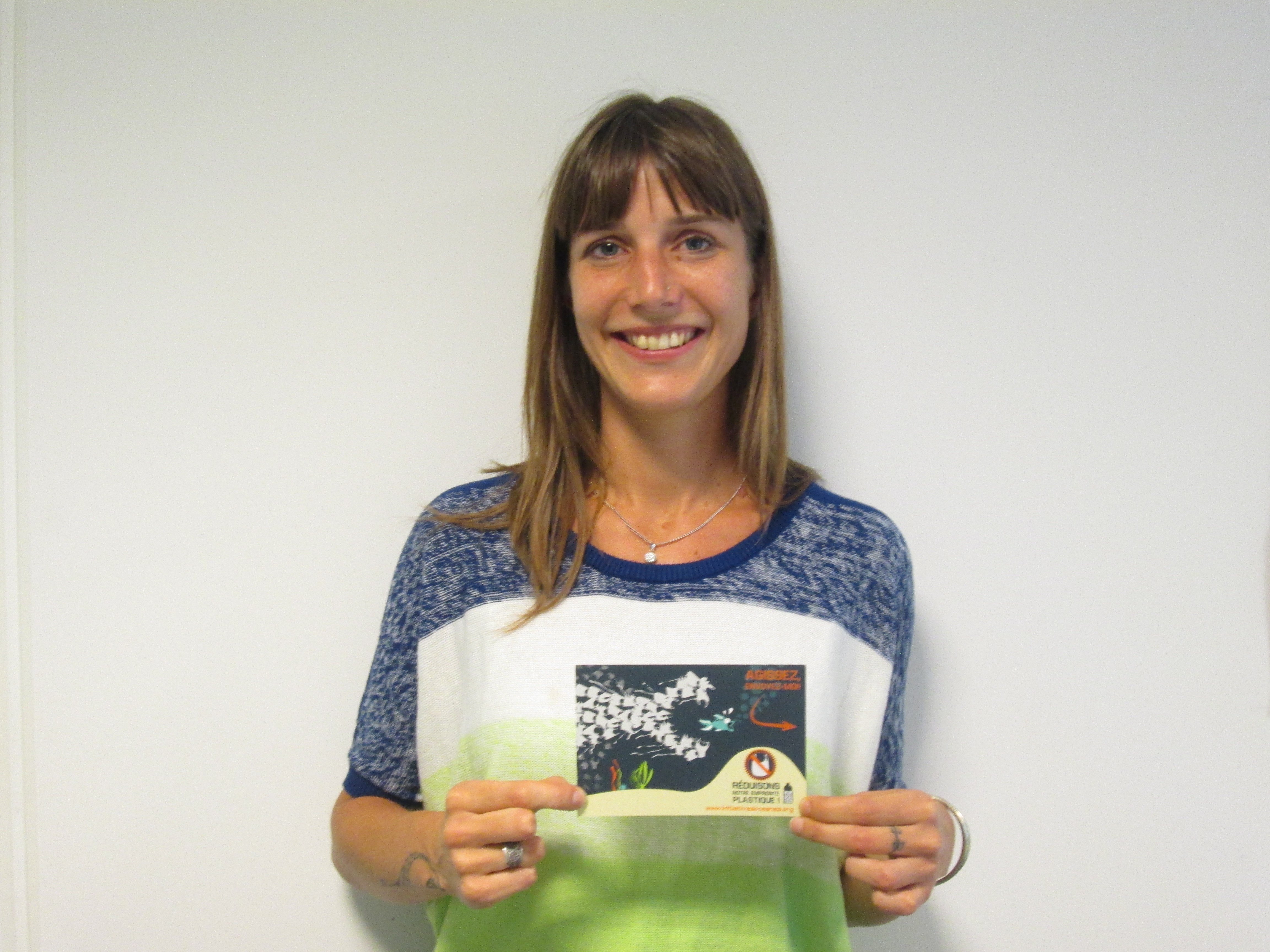
Catherine Gonnot, secretary of Surfrider Foundation Gironde, is appreciative of Charlo’s volunteer work. (Photo: C. Lomas)
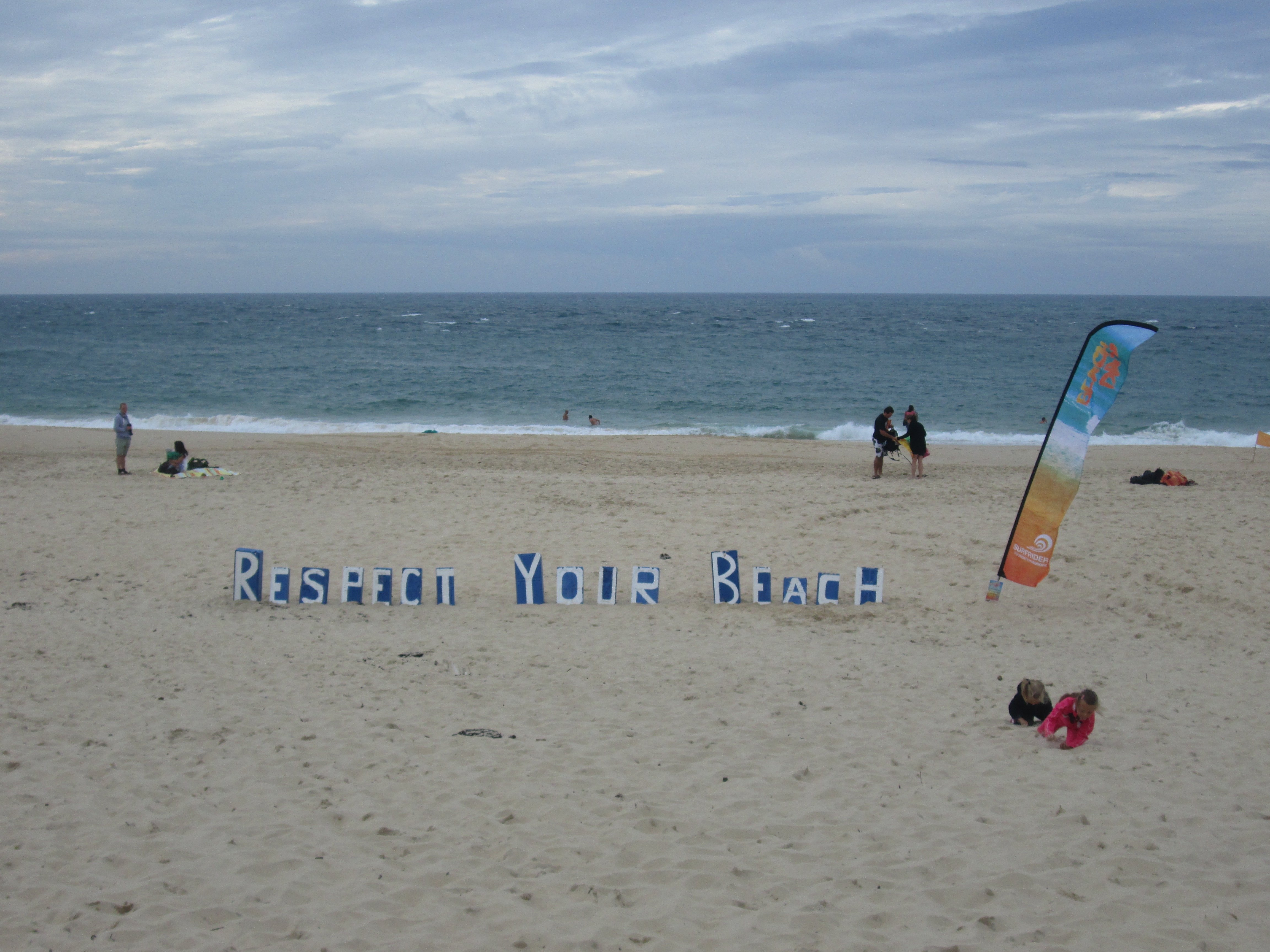
The Surfrider Foundation organizes events like the Beach Day at La Teste-de-Buch, France. (Photo: C. Lomas)
Comments deactivated Inventor’s deposit ring puts change in a bottle
Germany is known for its strong social system. Still, it’s not uncommon to see people in need of some extra cash rummaging through public trash cans for old bottles that carry a deposit.
Beer bottles are worth just 8 cents, but most plastic bottles can be redeemed for 25 cents. For some people, it’s not worth the trouble of taking them back to the store to get their deposit. But for others, a bag full of bottles can mean one more warm meal.
Paul Ketz in Cologne was bothered by all the deposit bottles he saw being thrown away, knowing that they were valuable to the less fortunate – not to mention the damage excess waste causes the environment.
So the 25-year-old came up with a brilliant idea that’s been catching on, not only in Cologne, but across Germany. Watch the video by Carl Nasman for a glimpse into Paul Ketz’s workshop:
Listen to Carl Nasman’s full report from Cologne for the whole story:
Cologne was the first city in Germany to order the rings (Copyright: 2013 Pawn Ring by Paul Ketz / Photo: Markus Diefenbacher)
Most plastic bottles are worth 25 cents, glass are worth only 8 cents (Copyright: 2013 Pawn Ring by Paul Ketz / Photo: Markus Diefenbacher)
The rings are starting to catch on across Germany (Copyright: 2013 Pawn Ring by Paul Ketz / Photo: Markus Diefenbacher)
Comments deactivated Seattle mapmaker protects local land
Ben Hughey makes maps. As a kid growing up in Alaska, he used a GPS to hike off-trail. Then, as a college junior, he combined his GPS skills with his mapmaking ability to help three indigenous communities in Ecuador create maps of their lands, which they’ll use to defend themselves against future land incursions.
Now, at age 25, Ben is using mapmaking to try to get people on board land conservation projects in Washington State, in the north-western United States.
Listen to the report by Eilís O’Neill in Seattle:
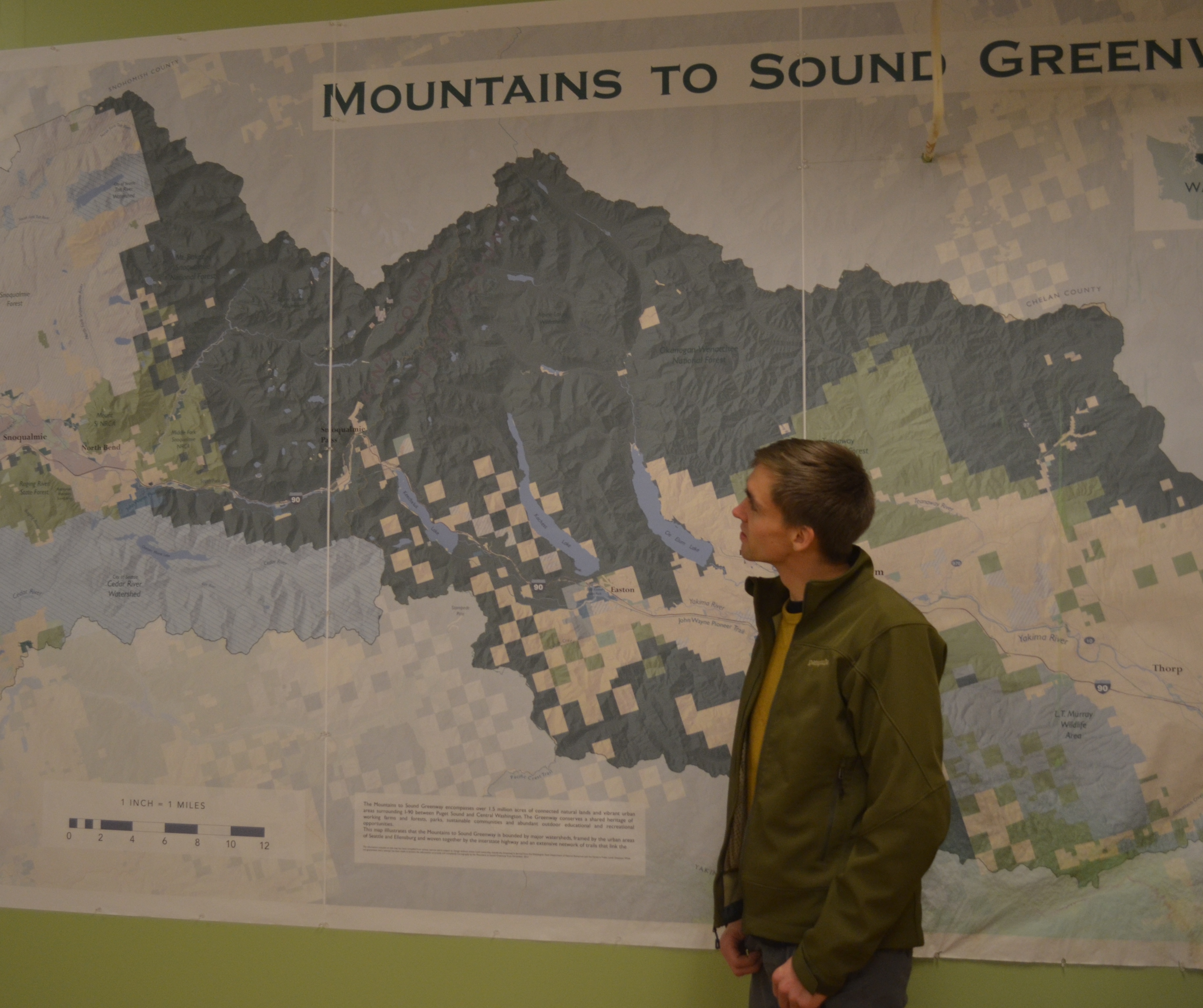
Ben Hughey stands next to the biggest map he’s ever made – a two-meter-tall, five-meter-wide map of the Mountains to Sound Greenway (Photo: E. O’Neill)

Ben’s pictured here taking a GPS point with his smart phone (Photo: E. O’Neill)
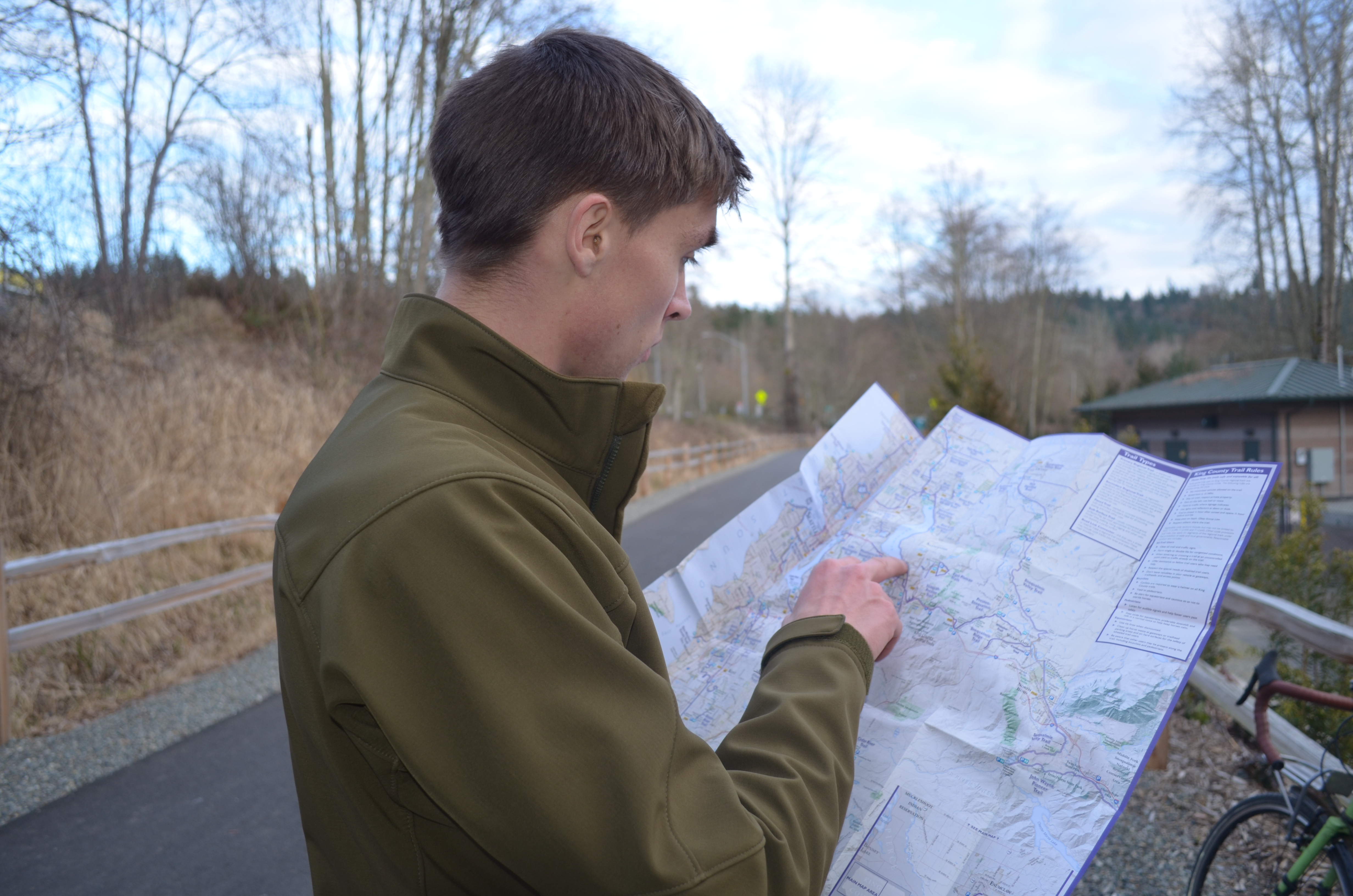
Ben is showing reporter Eilís O’Neill that they’re not lost (Photo: E. O’Neill)

Ben is an avid bike rider – and his good sense of navigation comes in handy (Photo: E. O’Neill)
Comments deactivated Former fashion designer saves Borneo reefs
The dream of fame and fortune is a familiar one for many young people – but giving it up in pursuit of activism is much less common. Twenty-seven-year-old Felicity “Flik” Finlayson did just that – in one of the most extreme ways possible. She gave up her goal of becoming a fashion designer and moved to a remote island in Borneo to devote her life fulltime to marine conservation with the organization TRACC.
Listen to the report by Emily Richmond from Pom Pom Island in Malaysian Borneo:

Flik went to Pom Pom Island on vacation – and stayed (Photo: F. Finlayson)
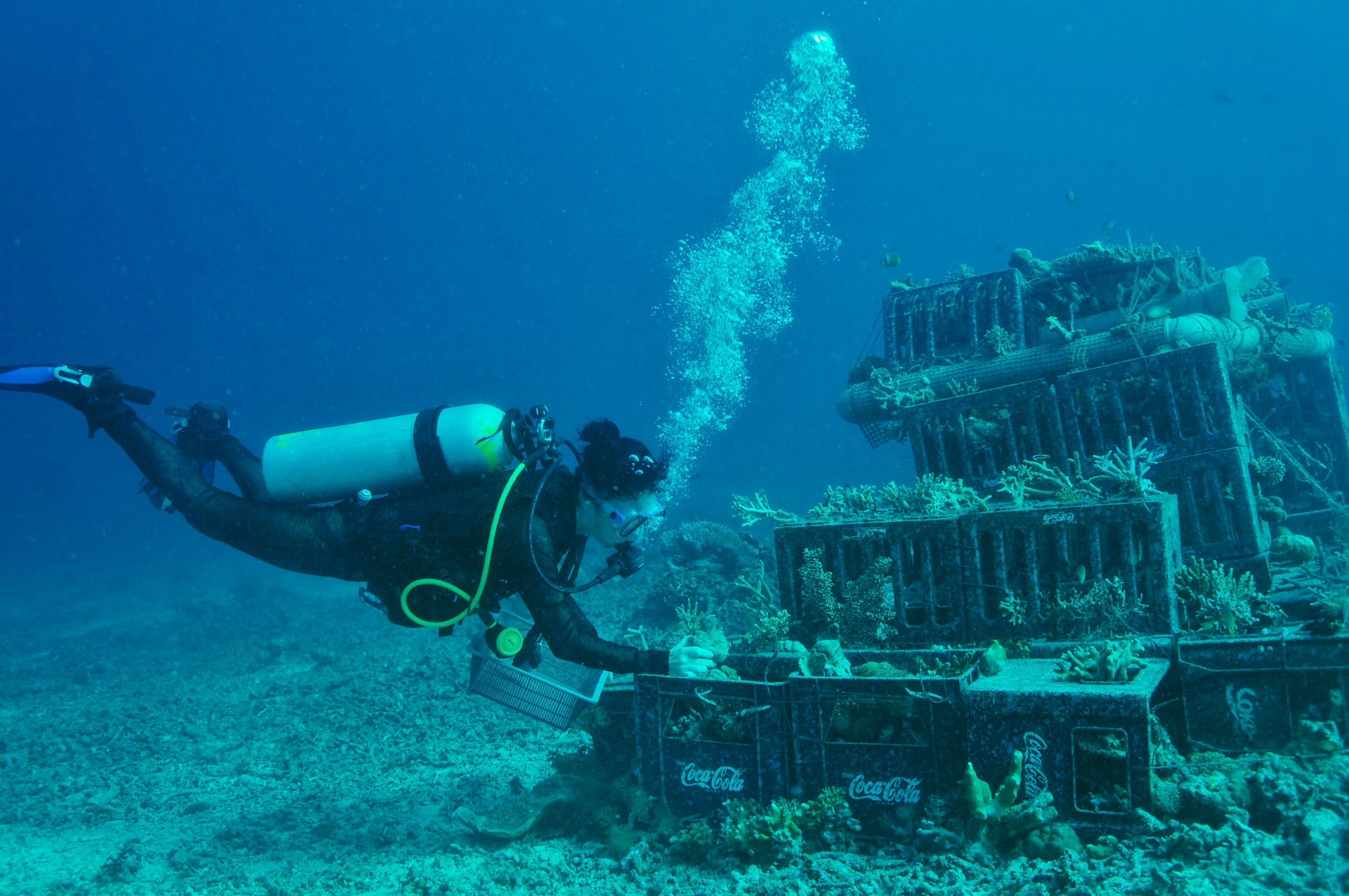
Flik rebuilds portions of the reef, then replants the in the ocean (Photo: TRACC)
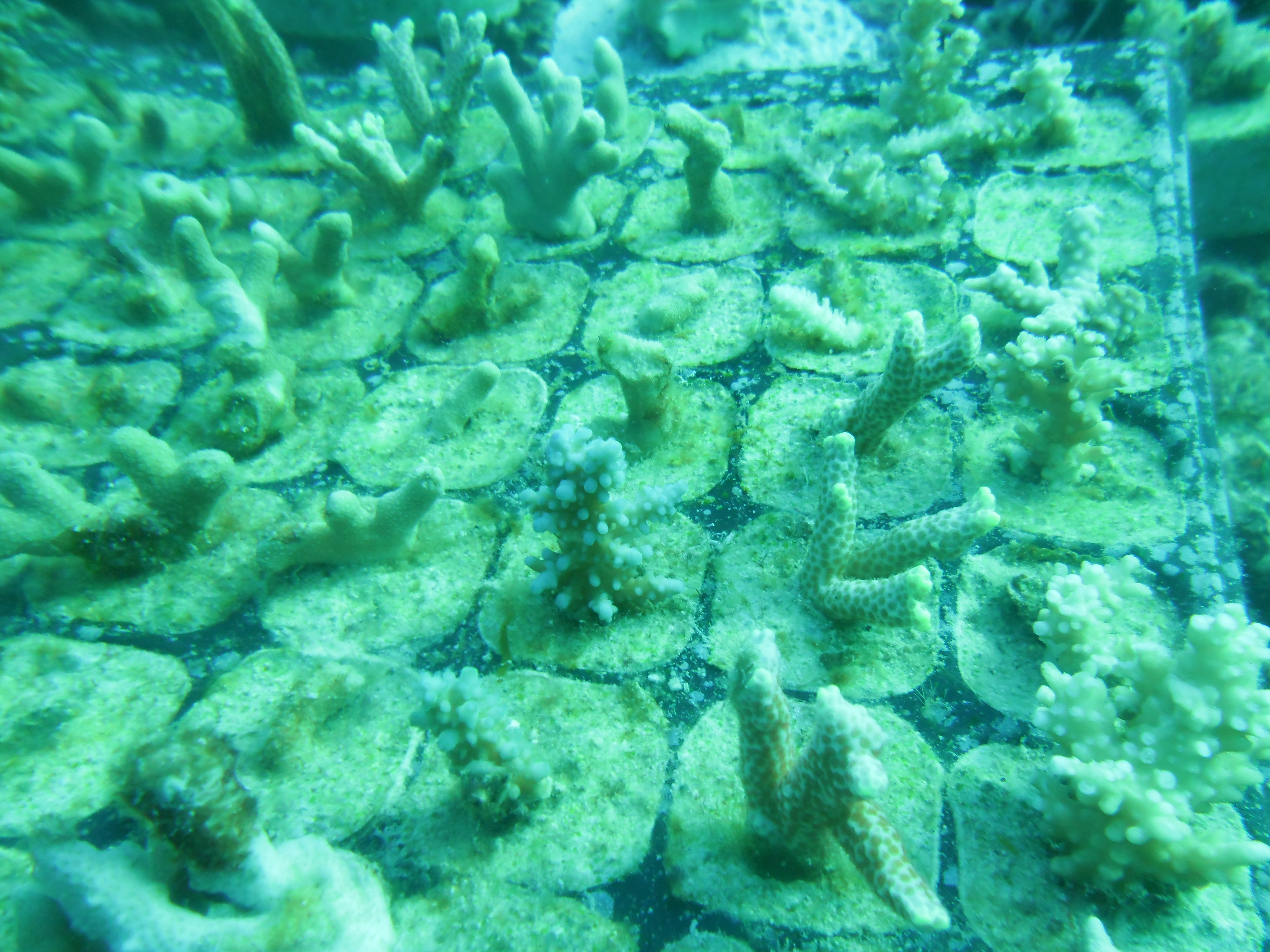
These coral plugs are meant to enhance the existing reefs off of Pom Pom Island (Photo: TRACC)

Flik’s leg was nearly severed in a boat accident while working on the reefs – but she has fully recovered (Photo: F. Finlayson)
Comments deactivated Turning Kenya’s trash into treasure
Plastic can take hundreds, even thousands of years to break down in the environment. In Kenya, communities are struggling to cope with the thousands of tons of waste being generated each year.
Despite having grown up in a slum littered with trash, 28-year-old Lorna Ruto developed a passion for taking care of the natural environment.
Now her passion has become her business, turning plastic waste from the city of Nairobi into something useful – fence posts. Her goal is not only to grow a successful company, but also to provide her community with much-needed jobs.
Listen to the report by Andrew Wasike in Nairobi, Kenya:
Turning Kenya’s trash into treasure
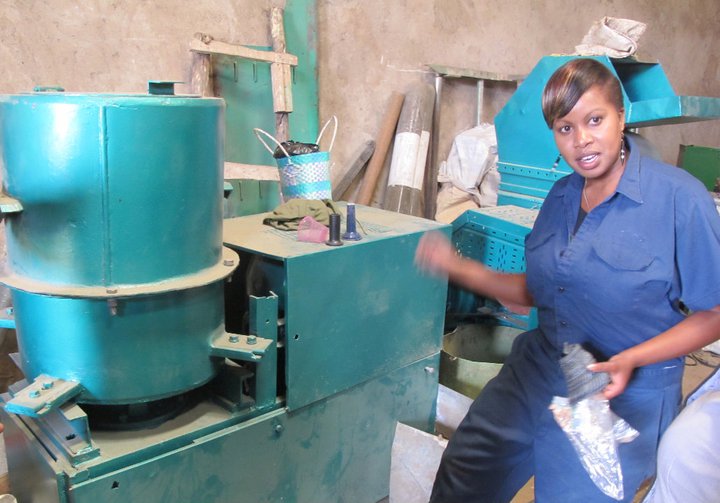
Lorna Ruto was tired of seeing trash in her neighborhood – so she came up with an efficient way of cleaning it up (Photo: Andrew Wasike)

The first step is gathering and sorting reusable plastics (Photo: Andrew Wasike)
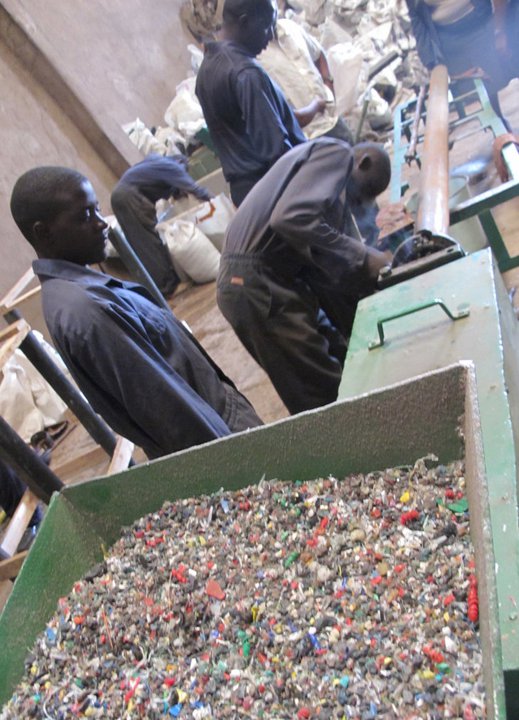
Then the old plastic is processed in Lorna’s factory (Photo: Andrew Wasike)
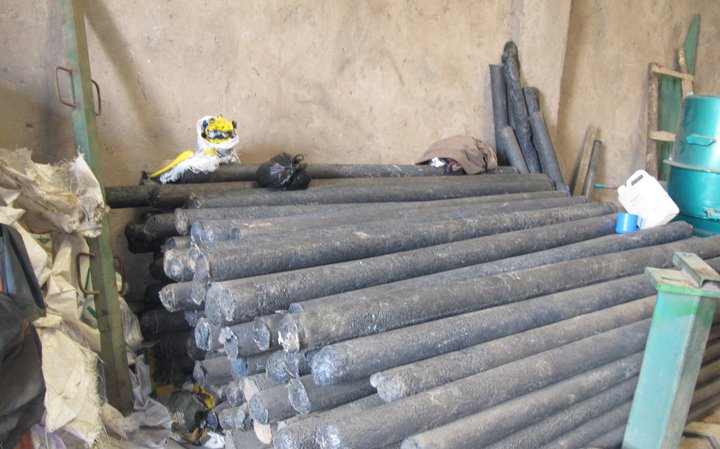
Here’s the result: sturdy and sustainable fence posts (Photo: Andrew Wasike)
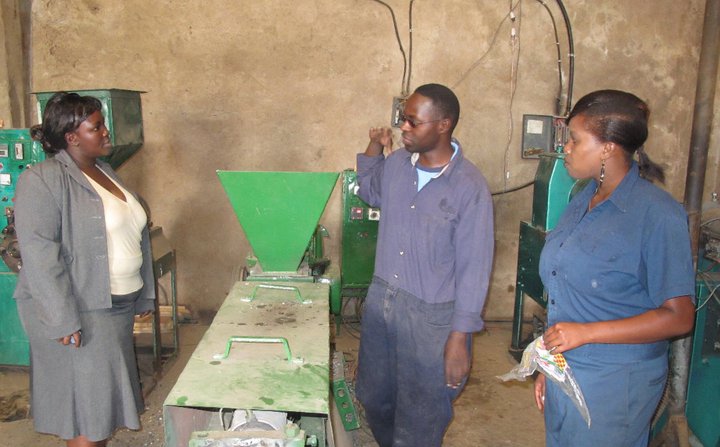
Charles Kalama, pictured here with Lorna, is a co-founder of Eco Post (Photo: Andrew Wasike)

Lorna not only makes the fence posts, she then has to sell them; she’s pictured here with a client (Photo: Andrew Wasike)
Comments deactivated Eco-tourism in China
Xiao Zuo, outdoor adventurer and entrepreneur, represents a growing number of young Chinese interested in exploring their country’s wild places.
Since founding the 54 Traveler tourism company with her husband, she’s organized countless outdoor trips, always emphasizing responsible travel guidelines, like packing out trash and respect for local communities.
Xiao Zuo says she hopes the people who join her excursions will become invested in protecting China’s environment. China’s government has vowed to address environmental concerns after taking a growth-at-all-costs approach during the country’s economic opening.
Listen to the report by Ruth Morris in Hangzhou, China:

Xiao Zuo combines tourism with environmental protection (Photo: Glen Fu)

Xiao Zuo works together with her husband, Glen Fu (Photo: Glen Fu)
Comments deactivated Bhutan’s ‘trash guy’

Every little bit counts (Photos: Aletta André)
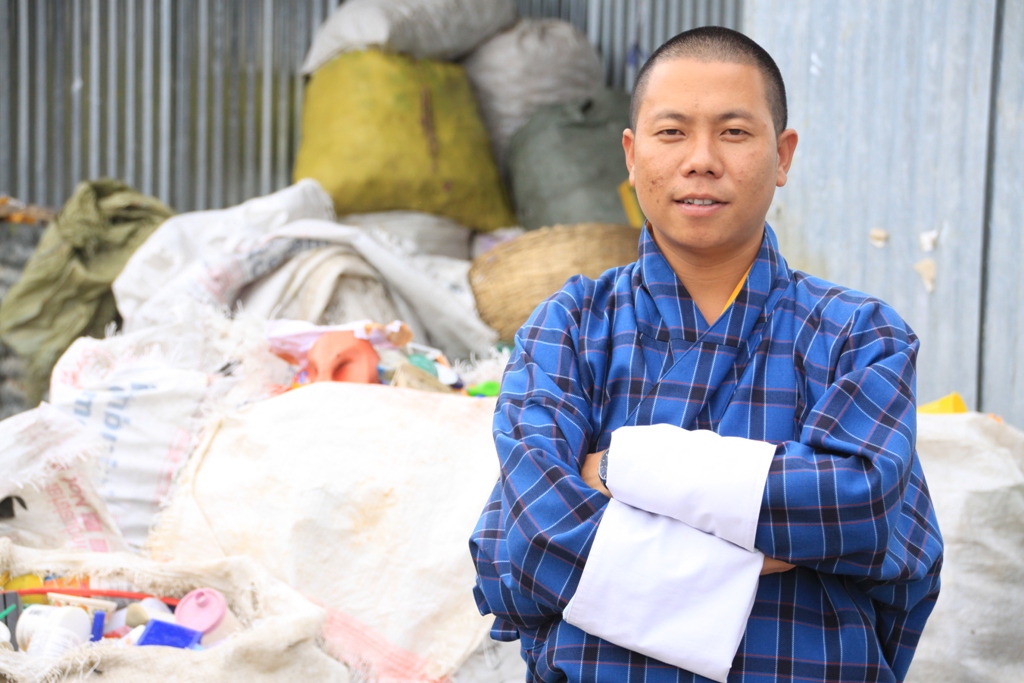
Karma is proud of being known as the trash guy (Photo: Aletta André)
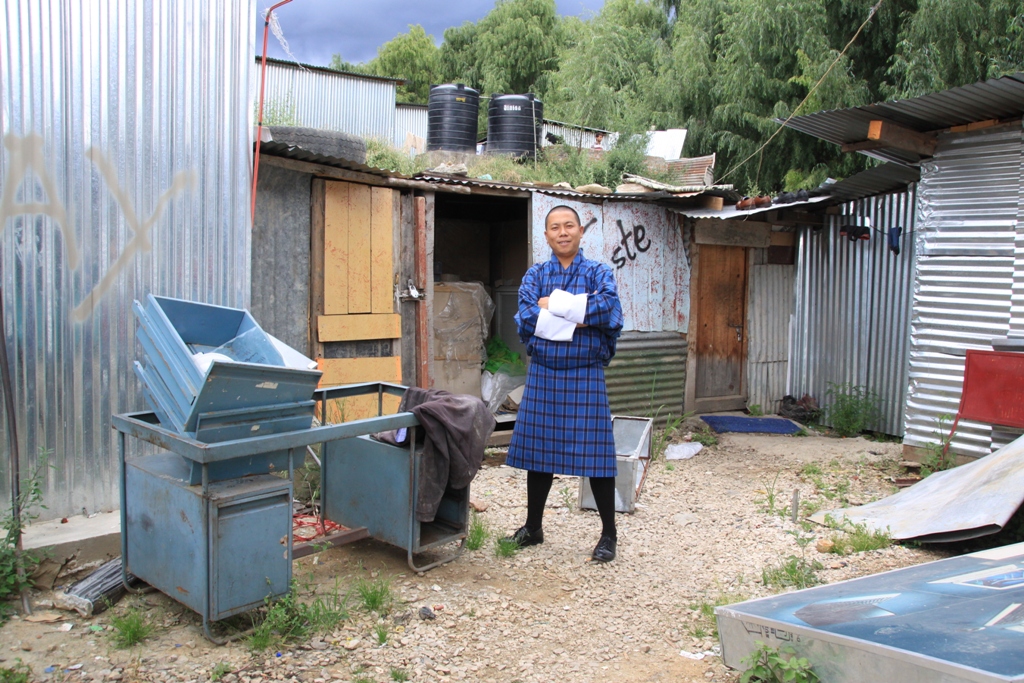
Karma has received numerous awards for his entrepreneurship and activism (Photo: Aletta André)
Comments deactivated Young climate activists in Kenya
After graduating from high school, most people look to start a career, but DW catches up with a few young people who have different plans: saving the environment. Volunteers from around the globe are helping the Kenyan environmental organization Ecofinder improve conditions around Africa’s Lake Victoria. Global warming, population growth, and deforestation on the lake’s shores have all increased environmental stress in the region.
Watch the video:
Comments deactivated 


Feedback